
209139

Silver nitrate
ACS reagent, ≥99.0%
Synonym(s):
Nitric acid silver(I) salt
Sign In to View Organizational & Contract Pricing.
Select a Size
Change View
About This Item
Linear Formula:
AgNO3
CAS Number:
Molecular Weight:
169.87
NACRES:
NA.21
PubChem Substance ID:
UNSPSC Code:
12352302
EC Number:
231-853-9
MDL number:
Assay:
≥99.0%
Grade:
ACS reagent
Form:
solid
grade
ACS reagent
Quality Level
vapor density
5.8 (vs air)
assay
≥99.0%
form
solid
reaction suitability
reagent type: catalyst
core: silver
clarity of soln
passes test
impurities
Free acid, passes test, ≤0.01% not HCl pptd.
mp
212 °C (dec.) (lit.)
anion traces
chloride (Cl-): ≤5 ppm, sulfate (SO42-): ≤0.002%
cation traces
Cu: ≤2 ppm, Fe: ≤2 ppm, Pb: ≤0.001%
SMILES string
[O-][N+]([O-])=O.[Ag+]
InChI
1S/Ag.NO3/c;2-1(3)4/q+1;-1
InChI key
SQGYOTSLMSWVJD-UHFFFAOYSA-N
General description
Silver nitrate, also known as Nitric acid silver(I) salt, is an odorless, colorless, or white versatile inorganic compound widely used as an oxidant and cauterizing agent due to its sclerosing, dehydrating, and escharotic properties. It is commonly used as a catalyst in the hydrolytic oxidation of organosilanes, leading to the production of high hydrogen yield and organosilanols.
Application
Silver nitrate can be used as a catalyst:
It can be used to prepare some supported acid catalysts for various organic transformations. For example:
AgNO3 is also used as a precursor salt to synthesize silver nanoparticles.
- For the Friedel-Crafts acylation of benzene derivatives to synthesize corresponding ketones.
- In the hydrolytic oxidation of organosilanes to produce hydrogen.
It can be used to prepare some supported acid catalysts for various organic transformations. For example:
- AgNO3–SiO2 based catalyst is used to dearomatize spirocyclization.
- Polyaniline-AgNO3-PTSA (para-toluene sulfonic acid) catalyst is used to synthesize anti-β-amino ketones via the three-component Mannich reaction of aromatic aldehydes, aromatic amines, and cyclohexanone.
AgNO3 is also used as a precursor salt to synthesize silver nanoparticles.
Still not finding the right product?
Explore all of our products under Silver nitrate
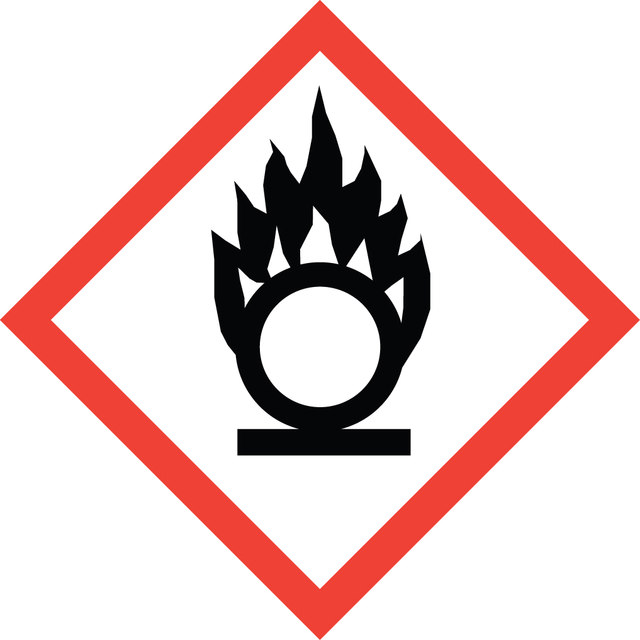
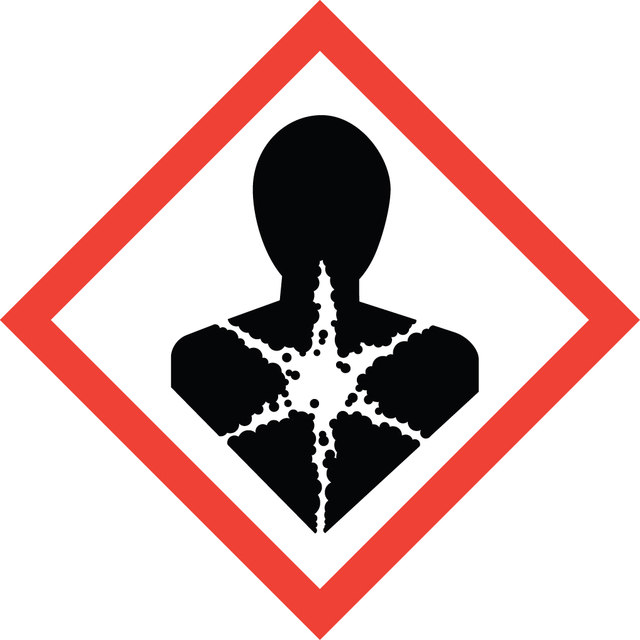
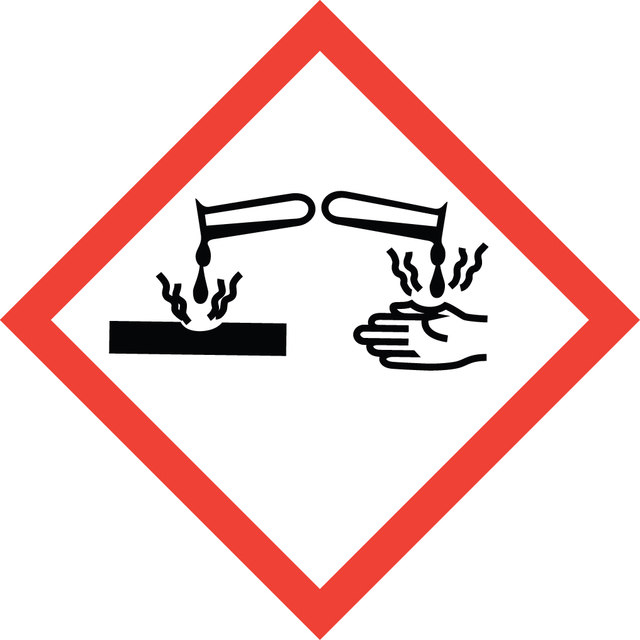
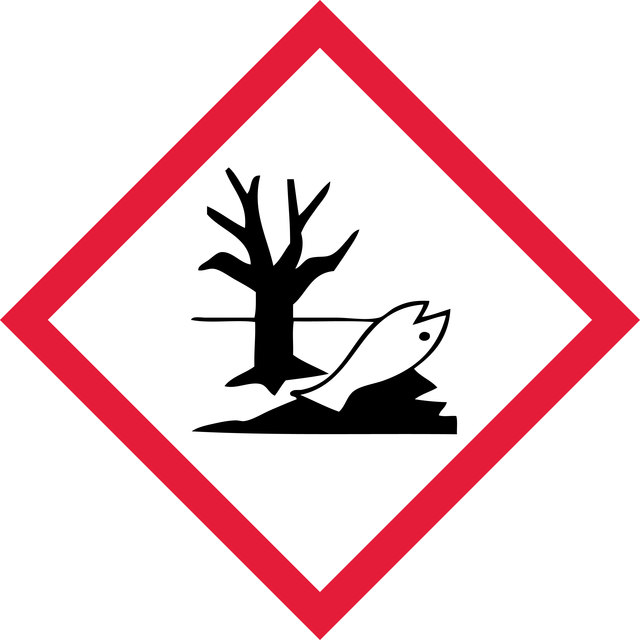
signalword
Danger
Hazard Classifications
Aquatic Acute 1 - Aquatic Chronic 1 - Eye Dam. 1 - Met. Corr. 1 - Ox. Sol. 2 - Repr. 1B - Skin Corr. 1A
Storage Class
5.1B - Oxidizing hazardous materials
flash_point_f
Not applicable
flash_point_c
Not applicable
Regulatory Information
危险化学品
易制爆化学品
This item has
Choose from one of the most recent versions:
Already Own This Product?
Find documentation for the products that you have recently purchased in the Document Library.
Catalytic hydrogen evolution from hydrolytic oxidation of organosilanes with silver nitrate catalyst
Teo AKL and Fan WY
Royal Society of Chemistry Advances, 4(71), 37645-37648 (2014)
Hongyan Yang et al.
Antibiotics (Basel, Switzerland), 9(11) (2020-11-01)
Antimicrobial resistance is currently an important concern, but there are few data on the co-presence of metal and antibiotic resistance in potentially pathogenic Escherichia coli entering the food chain from pork, which may threaten human health. We have examined the
D D Songstad et al.
Plant cell reports, 7(4), 262-265 (1988-06-01)
The effect of the ethylene antagonists norbornadiene and silver nitrate and the ethylene precursor l-aminocyclopropane-l-carboxylic acid (ACC) on Zea mays plant regeneration was studied. A 12-fold increase in plant regeneration, as measured by number of plants obtained per gram fresh
Global Trade Item Number
| SKU | GTIN |
|---|---|
| 209139-100G | 04061837768408 |
| 209139-25G | 04061837768422 |
| 209139-500G | 04061837768439 |