
S2252

Sodium nitrite
ReagentPlus®, ≥99.0%
Sign In to View Organizational & Contract Pricing.
Select a Size
Change View
About This Item
Linear Formula:
NaNO2
CAS Number:
Molecular Weight:
69.00
NACRES:
NA.21
PubChem Substance ID:
UNSPSC Code:
12352302
EC Number:
231-555-9
MDL number:
Assay:
≥99.0%
Form:
powder or crystals
Quality Level
product line
ReagentPlus®
assay
≥99.0%
form
powder or crystals
autoignition temp.
914 °F
pH
9 (20 °C, 100 g/L)
mp
271 °C (lit.)
SMILES string
[Na+].[O-]N=O
InChI
1S/HNO2.Na/c2-1-3;/h(H,2,3);/q;+1/p-1
InChI key
LPXPTNMVRIOKMN-UHFFFAOYSA-M
General description
Sodium nitrite is an air-sensitive and hygroscopic solid with both reducing and oxidizing properties. It is commonly used as a reagent and catalyst in synthetic organic chemistry. It is decomposed by acids (even weak acids) with the evolution of a brown mixture of nitrogen oxides (NOx).
Application
Sodium nitrite can be used as a reagent in:
It can also be used as a nitrating agent in organic synthesis.
It is used in direct C-H nitration, ipso-nitration, and nitration via transition metal-catalyzed cross-coupling reaction. NaNO2 is also used as a co-catalyst for catalytic oxidation of alcohols under aerobic, solvent-free conditions.
- In the conversion of amines into diazo compounds, which are used as key precursors to many dyes, such as diazo dyes.
- Nef reaction and Abidi transformations.
- The C–C bond cleavage reaction in the presence of TFA under aerobic conditions.
- The oxidative carbonitration of alkenes in the presence of K2S2O8.
It can also be used as a nitrating agent in organic synthesis.
It is used in direct C-H nitration, ipso-nitration, and nitration via transition metal-catalyzed cross-coupling reaction. NaNO2 is also used as a co-catalyst for catalytic oxidation of alcohols under aerobic, solvent-free conditions.
Legal Information
ReagentPlus is a registered trademark of Merck KGaA, Darmstadt, Germany
Still not finding the right product?
Explore all of our products under Sodium nitrite
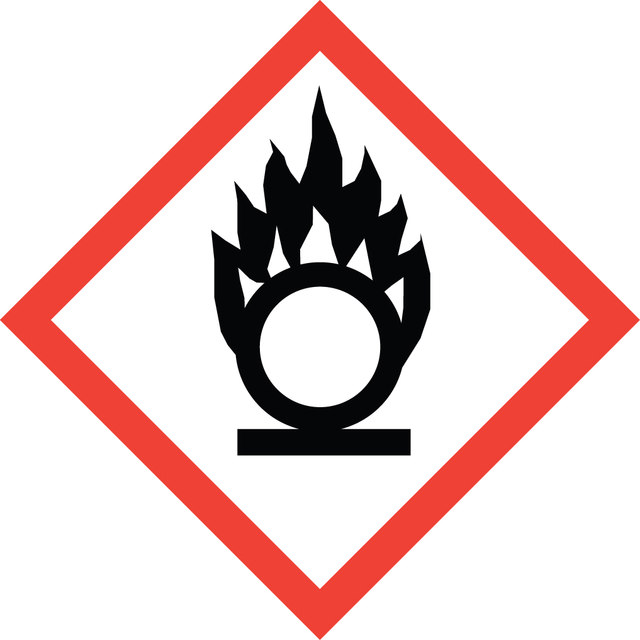
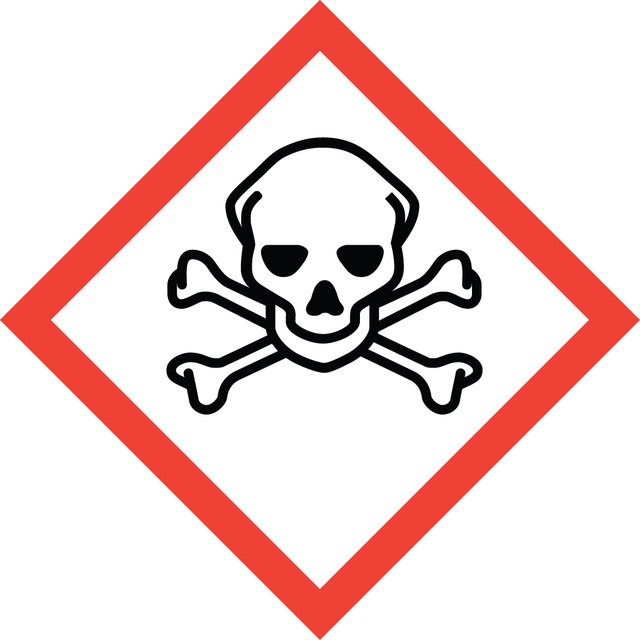
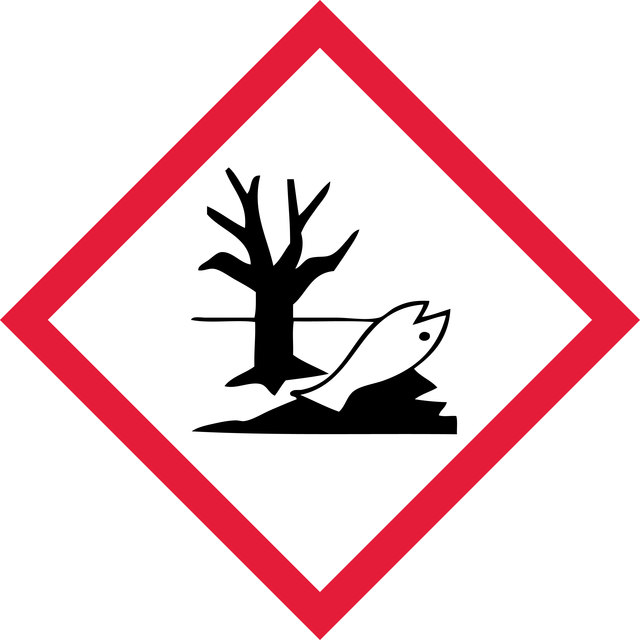
signalword
Danger
hcodes
Hazard Classifications
Acute Tox. 3 Oral - Aquatic Acute 1 - Eye Irrit. 2 - Ox. Sol. 3
Storage Class
5.1B - Oxidizing hazardous materials
wgk
WGK 3
flash_point_f
Not applicable
flash_point_c
Not applicable
Regulatory Information
危险化学品
This item has
Choose from one of the most recent versions:
Already Own This Product?
Find documentation for the products that you have recently purchased in the Document Library.
Arda Gülay et al.
mBio, 10(6) (2019-11-07)
Nitrification, the oxidative process converting ammonia to nitrite and nitrate, is driven by microbes and plays a central role in the global nitrogen cycle. Our earlier investigations based on 16S rRNA and amoA amplicon analysis, amoA quantitative PCR and metagenomics
Anne C Rios et al.
Cancer cell, 35(4), 618-632 (2019-04-02)
Breast tumors are inherently heterogeneous, but the evolving cellular organization through neoplastic progression is poorly understood. Here we report a rapid, large-scale single-cell resolution 3D imaging protocol based on a one-step clearing agent that allows visualization of normal tissue architecture
Lucas C Pinheiro et al.
Free radical biology & medicine, 53(4), 701-709 (2012-06-23)
The new pathway nitrate-nitrite-nitric oxide (NO) has emerged as a physiological alternative to the classical enzymatic pathway for NO formation from l-arginine. Nitrate is converted to nitrite by commensal bacteria in the oral cavity and the nitrite formed is then
Global Trade Item Number
| SKU | GTIN |
|---|---|
| S2252-2.5KG | 04061832584577 |
| S2252-25KG | 04061833642160 |
| S2252-500G | 04061835279265 |
| S2252-60KG | 04061833461310 |