
T6508

Trifluoroacetic acid
ReagentPlus®, 99%
Synonym(s):
TFA
Select a Size
About This Item
vapor density
3.9 (vs air)
Quality Level
vapor pressure
97.5 mmHg ( 20 °C)
product line
ReagentPlus®
assay
99%
form
liquid
concentration
99%
impurities
≤0.05% water
refractive index
n20/D 1.3 (lit.)
pH
1 (10 g/L)
bp
72.4 °C (lit.)
mp
−15.4 °C (lit.)
solubility
ethanol: soluble 0.33 mL/mL
density
1.489 g/mL at 20 °C (lit.)
SMILES string
OC(C(F)(F)F)=O
InChI
1S/C2HF3O2/c3-2(4,5)1(6)7/h(H,6,7)
InChI key
DTQVDTLACAAQTR-UHFFFAOYSA-N
General description
- High-Quality Biotech Solvents: Designed for optimal laboratory performance with low water content and minimal residues.
- Ideal for RNA Extraction: Essential for genetic testing and research applications like PCR.
- Ensures Integrity of Genetic Material: Promotes reliable and reproducible results.
- Industry Compliant: Suitable for both academic and commercial laboratories, enhancing research efficiency.
Application
- For the cleavage of nitrogen and oxygen protecting groups such as N-Boc, N-benzyloxymethyl, benzyl ether, p-methoxybenzyl ether, t-butyl ether, t-butyloxymethyl ether, triphenylmethyl ether, and dimethyl acetals.
- In the Baeyer–Villiger oxidation reactions in combination with sodium percarbonate.,·
- For the C-H trifluoromethylation of arenes.
TFA can also be used as:
- A solvent in atom transfer cyclization reactions and polymer processes.
- A catalyst in the synthesis of ε-caprolactam via Beckmann rearrangement of cyclohexanone oxime in aprotic solvents.
Packaging
Legal Information
Still not finding the right product?
Explore all of our products under Trifluoroacetic acid
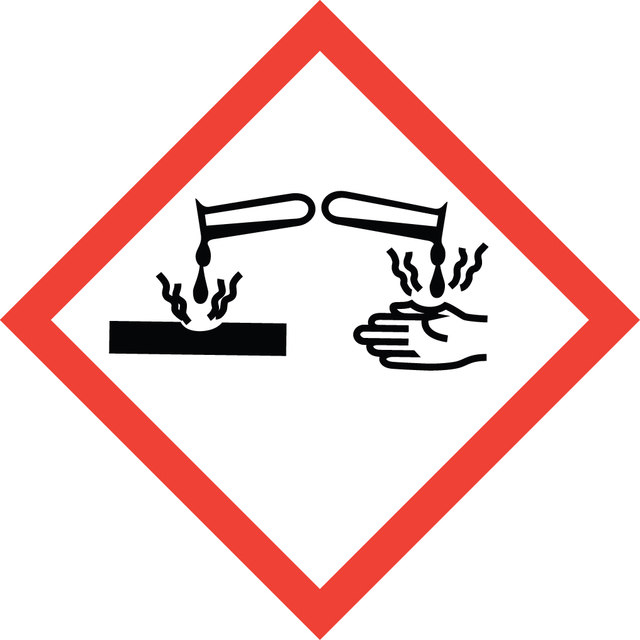
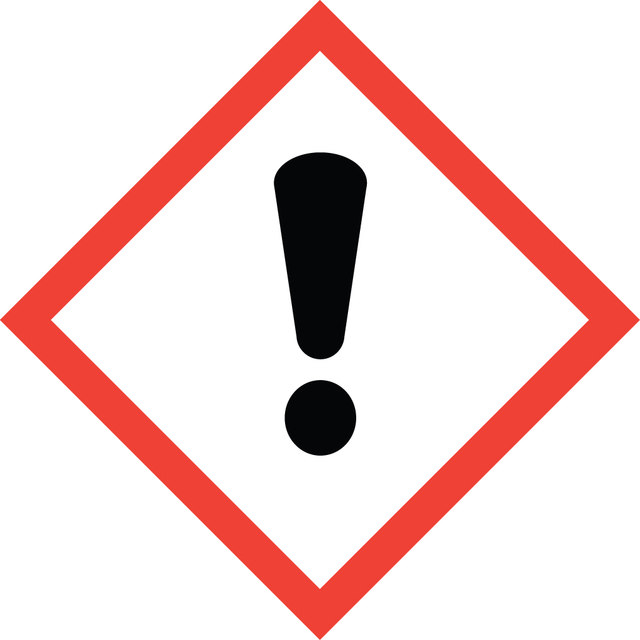
signalword
Danger
hcodes
Hazard Classifications
Acute Tox. 4 Inhalation - Aquatic Chronic 3 - Eye Dam. 1 - Skin Corr. 1A
Storage Class
8A - Combustible corrosive hazardous materials
Regulatory Information
This item has
Choose from one of the most recent versions:
Already Own This Product?
Find documentation for the products that you have recently purchased in the Document Library.
Protocols
Fmoc resin cleavage and deprotection are crucial steps for peptide synthesis, yielding the desired peptide after resin detachment.
Articles
Acid and base chart lists the strength of acids and bases (strongest to weakest) in order. Simple to use laboratory reference chart for scientists, researchers and lab technicians.
Global Trade Item Number
| SKU | GTIN |
|---|---|
| T6508-10AMP-KC | 04061833694473 |
| T6508-10X10AMP | 04061838260284 |
| T6508-1L | 04061837760761 |
| T6508-500ML | 04061837760808 |
| T6508-50ML-KC | 04061833172476 |
| T6508-5ML | 04061837371585 |
| T6508-5X10AMP | 04061837371592 |
| T6508-10AMP | 04061838260277 |
| T6508-1AMP | 04061838260291 |
| T6508-25ML | 04061837760778 |
| T6508-2L | 04061837760785 |
| T6508-4X100ML | 04061837760792 |
| T6508-100ML | 04061837760754 |