Skip to Content
Merck
CN

60010

Kaempferol

≥97.0% (HPLC)

Synonym(s):

3,4′,5,7-Tetrahydroxyflavone, 3,5,7-Trihydroxy-2-(4-hydroxyphenyl)-4H-1-benzopyran-4-one, Robigenin

Sign In to View Organizational & Contract Pricing.

Select a Size

Change View

About This Item

Empirical Formula (Hill Notation):
C15H10O6
CAS Number:
Molecular Weight:
286.24
UNSPSC Code:
12352205
NACRES:
NA.47
PubChem Substance ID:
MDL number:
Beilstein/REAXYS Number:
304401
Technical Service
Need help? Our team of experienced scientists is here for you.
Let Us Assist


Quality Level

assay

≥97.0% (HPLC)

impurities

≤12% water

application(s)

metabolomics
vitamins, nutraceuticals, and natural products

SMILES string

Oc1ccc(cc1)C2=C(O)C(=O)c3c(O)cc(O)cc3O2

InChI

1S/C15H10O6/c16-8-3-1-7(2-4-8)15-14(20)13(19)12-10(18)5-9(17)6-11(12)21-15/h1-6,16-18,20H

InChI key

IYRMWMYZSQPJKC-UHFFFAOYSA-N

General description

Kaempferol is a polyphenolic antioxidant abundantly present in vegetables and fruits. It has a diphenylpropane structure. In many plants, it is present as a glycosidic form namely, kaempferol-3-O-glucoside.

Application

Kaempferol has been used:
  • to test its effect on osteoblast proliferation, migration, and differentiation in mouse pre-osteoblast cell line (MC3T3-E1 cells)
  • as an antioxidant and a hepatoprotective agent against zearalenone (ZEA)-induced oxidative stress and apoptosis in HEPG2 cells
  • as a neuroprotective agent against cadmium chloride (CdCl2) induced hippocampal damage and memory deficits in rats
  • as an anti-inflammatory agent, together with apigenin, for stem-cell therapy on knee osteoarthritic male rats

Chromogenic reagent for antimony in the low ppm range and for gallium and indium in the sub-ppm range.

Biochem/physiol Actions

Kaempferol is hydrophobic in nature due to its diphenylpropane group. It exerts anti-inflammatory actions along with their antioxidant properties and modulates pro-inflammatory enzyme activities. Kaempferol acts as a chemopreventive agent by exerting protective effects on cell viability. It modulates several key elements of cellular signal transduction pathways linked to apoptosis, angiogenesis, metastasis, and inflammation.
Potent inhibitor of osteoclastic bone resorption. The effect is believed to be attributable to both the antioxidant and estrogenic activities of kaempferol.


Still not finding the right product?

Explore all of our products under Kaempferol


signalword

Warning

Storage Class

11 - Combustible Solids

flash_point_f

Not applicable

flash_point_c

Not applicable

ppe

Eyeshields, Faceshields, Gloves, type P2 (EN 143) respirator cartridges
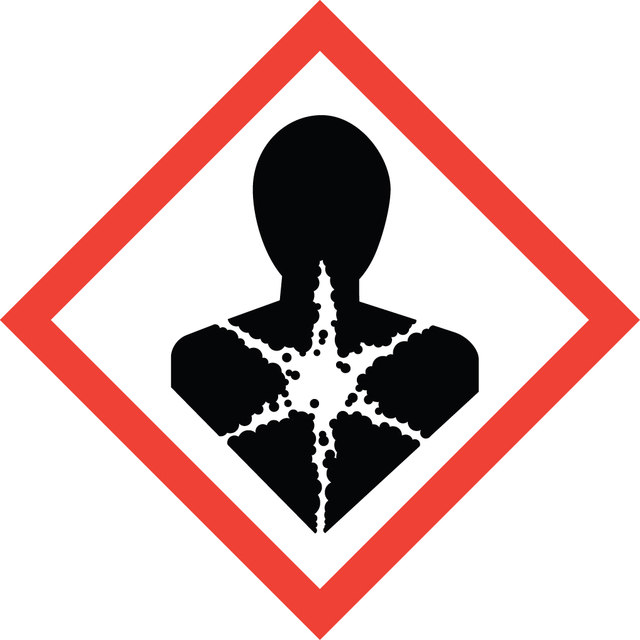
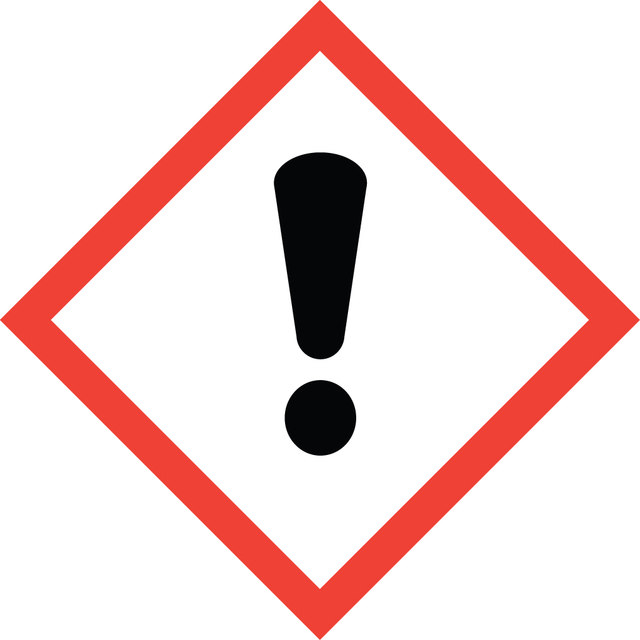
pictograms

Health hazardExclamation mark

Hazard Classifications

Eye Irrit. 2 - Muta. 2 - Skin Irrit. 2


Choose from one of the most recent versions:

Certificates of Analysis (COA)

Lot/Batch Number

Don't see the Right Version?

If you require a particular version, you can look up a specific certificate by the Lot or Batch number.

Already Own This Product?

Find documentation for the products that you have recently purchased in the Document Library.

Visit the Document Library


Articles

抗氧化剂可保护生物系统免受含氧自由基和氧化还原过渡金属离子(如铁、铜和镉)引起的氧化损伤。

Antioxidants protect biological systems from oxidative damage produced by oxygen-containing free radicals and from redoxactive transition metal ions such as iron, copper, and cadmium.


Kaempferol protects against cadmium chloride-induced hippocampal damage and memory deficits by activation of silent information regulator 1 and inhibition of poly (ADP-Ribose) polymerase-1
El-kott A F, et al.,
The Science of the Total Environment, 138832-138832 (2020)
Gil Fraqueza et al.
Dalton transactions (Cambridge, England : 2003), 41(41), 12749-12758 (2012-09-13)
Recently we demonstrated that the decavanadate (V(10)) ion is a stronger Ca(2+)-ATPase inhibitor than other oxometalates, such as the isoelectronic and isostructural decaniobate ion, and the tungstate and molybdate monomer ions, and that it binds to this protein with a
Jean-Baptiste Daskiewicz et al.
Journal of medicinal chemistry, 48(8), 2790-2804 (2005-04-15)
A library of 42 natural and synthetic flavonoids has been screened for their effect on cell proliferation and apoptosis in a human colonic cell line (HT-29). Examples of different classes of flavonoids have been screened, and the effects of hydroxylation


Global Trade Item Number

SKUGTIN
60010-25MG04061835326167
60010-100MG04061832645148