
68264

α-Hydroxyisobutyronitrile β-D-glucopyranoside
≥97% (HPLC)
Synonym(s):
α-Hydroxyisobutyronitrile β-D-glucose, 2-(β-D-Glucopyranosyloxy)-2-methylpropionitrile, Linamarin
Sign In to View Organizational & Contract Pricing.
Select a Size
Change View
About This Item
Empirical Formula (Hill Notation):
C10H17NO6
CAS Number:
Molecular Weight:
247.25
NACRES:
NA.25
PubChem Substance ID:
UNSPSC Code:
12352201
MDL number:
biological source
synthetic
Quality Level
assay
≥97% (HPLC)
form
solid
optical activity
[α]/D -26.5±2.0°, c = 1 in H2O
technique(s)
HPLC: suitable
color
white to off-white
storage temp.
2-8°C
SMILES string
CC(C)(O[C@@H]1O[C@H](CO)[C@@H](O)[C@H](O)[C@H]1O)C#N
InChI
1S/C10H17NO6/c1-10(2,4-11)17-9-8(15)7(14)6(13)5(3-12)16-9/h5-9,12-15H,3H2,1-2H3/t5-,6-,7+,8-,9+/m1/s1
InChI key
QLTCHMYAEJEXBT-ZEBDFXRSSA-N
Application
Linamarin, a cyanogenic glucose substrate, is used together with β-glucosidase, linamarase, to produce cyanide in vivo as a potential anticancer strategy.
Biochem/physiol Actions
Linamarin is a cyanogenic glucoside found in the leaves and roots of plants such as cassava, lima beans, and flax. Upon exposure to enzymes and gut flora in the human intestine, linamarin and its methylated relative lotaustralin can decompose to the toxic chemical hydrogen cyanide
Packaging
Bottomless glass bottle. Contents are inside inserted fused cone.
Other Notes
To gain a comprehensive understanding of our extensive range of Monosaccharides for your research, we encourage you to visit our Carbohydrates Category page.
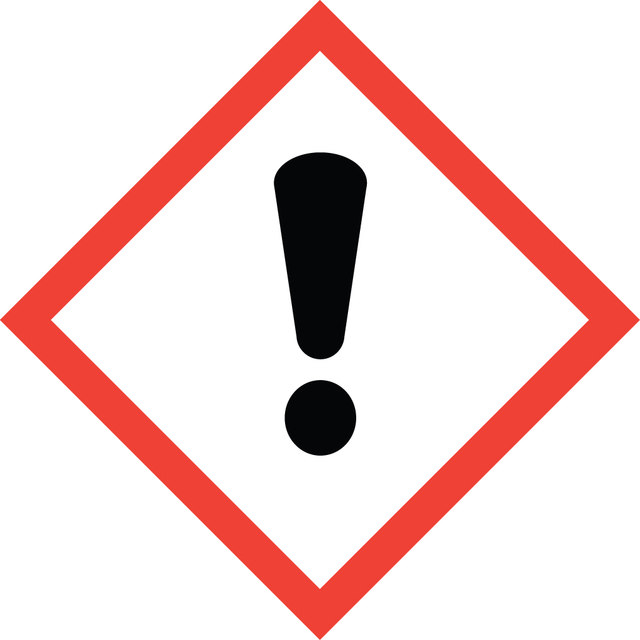
signalword
Warning
Hazard Classifications
Acute Tox. 4 Oral - Eye Irrit. 2 - Skin Irrit. 2 - STOT SE 3
target_organs
Respiratory system
Storage Class
11 - Combustible Solids
wgk
WGK 3
flash_point_f
Not applicable
flash_point_c
Not applicable
ppe
dust mask type N95 (US), Eyeshields, Gloves
Choose from one of the most recent versions:
Already Own This Product?
Find documentation for the products that you have recently purchased in the Document Library.
Stefan Pentzold et al.
Scientific reports, 6, 22407-22407 (2016-03-05)
Insects often release noxious substances for their defence. Larvae of Zygaena filipendulae (Lepidoptera) secrete viscous and cyanogenic glucoside-containing droplets, whose effectiveness was associated with their physical and chemical properties. The droplets glued mandibles and legs of potential predators together and
Bala Nambisan
Food and chemical toxicology : an international journal published for the British Industrial Biological Research Association, 49(3), 690-693 (2010-11-16)
Toxicity of cassava arises due to the presence of the cyanoglucosides linamarin and lotaustralin which are hydrolysed by endogenous enzyme linamarase to acetonecyanohydrin (ACN) and cyanide (CN) which are toxic. Major research efforts to eliminate/reduce cyanoglucosides have focused on (i)
null
Global Trade Item Number
| SKU | GTIN |
|---|---|
| 68264-50MG | 04061835365814 |