Skip to Content
Merck
CN

93289

TRI Reagent®

Synonym(s):

DNA/RNA/protein extraction reagent, DNA/RNA/protein isolation reagent, DNA/RNA/protein purification reagent, single step RNA extraction reagent, total RNA extraction reagent, TRI Reagent® RNA Isolation Reagent

Sign In to View Organizational & Contract Pricing.

Select a Size

Change View

About This Item

UNSPSC Code:
12352200
NACRES:
NA.52
MDL number:
Technical Service
Need help? Our team of experienced scientists is here for you.
Let Us Assist


form

liquid

Quality Level

usage

 mL sufficient for 107 cells,  mL sufficient for 100 mg tissue

impurities

phenol

General description

TRI reagent® also known as TRIzol, is a monophasic solution of phenol and guanidinium isothiocyanate. It has a potential, to simultaneously solubilize biological material and denatures protein. It is widely used for deproteinizing RNA. This improved version of the single-step total RNA isolation reagent developed by Chomczynski allows a quick, economical, and efficient isolation of total RNA from different biological samples. This product is pure (A260/A280 ~1.8) and can be directly used in Northern blotting. Simultaneous isolation of DNA, RNA and proteins is also possible. 1 mL is sufficient for the extraction of 100 mg tissue or 107 cells.

Application

TRI Reagent® has been used for isolating RNA from various types of cells or tissues. It may also be used for processing tissues, cells cultured in monolayer, or cell pellets.
TRI Reagent is an improved version of the single-step total RNA isolation reagent developed by Chomczynski. The RNA isolation method based on this reagent is widely used and proven for RNA applications. It is ideal for quick, economical, and efficient isolation of total RNA or the simultaneous isolation of RNA, DNA, and proteins from samples of human, animal, plant, yeast, bacterial, and viral origin.

Features and Benefits

  • Easily scalable RNA isolation
  • Works with many sources: human, plant, yeast, bacterial, or viral
  • Better yields than traditional guanidine thiocyanate/cesium chloride methods

Legal Information

TRI Reagent is a registered trademark of Molecular Research Center, Inc.


Still not finding the right product?

Explore all of our products under TRI Reagent®

signalword

Danger

Hazard Classifications

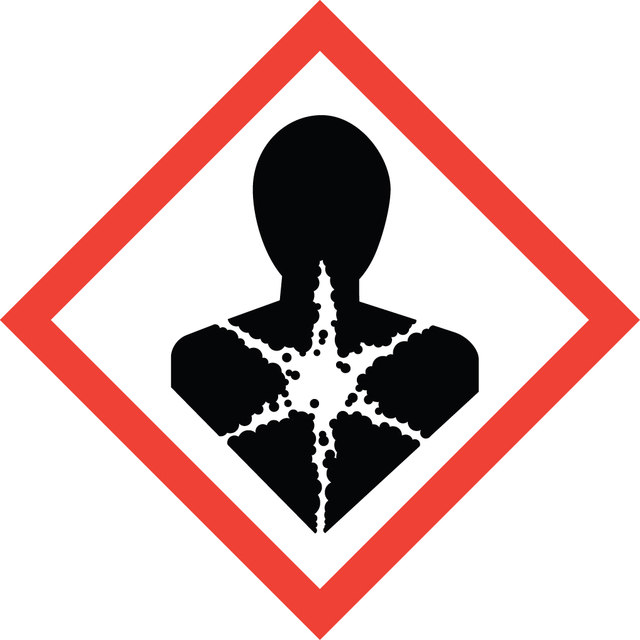
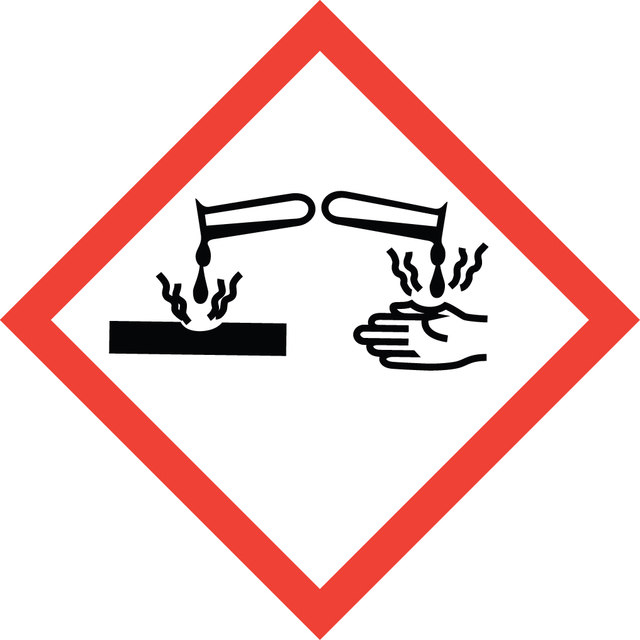
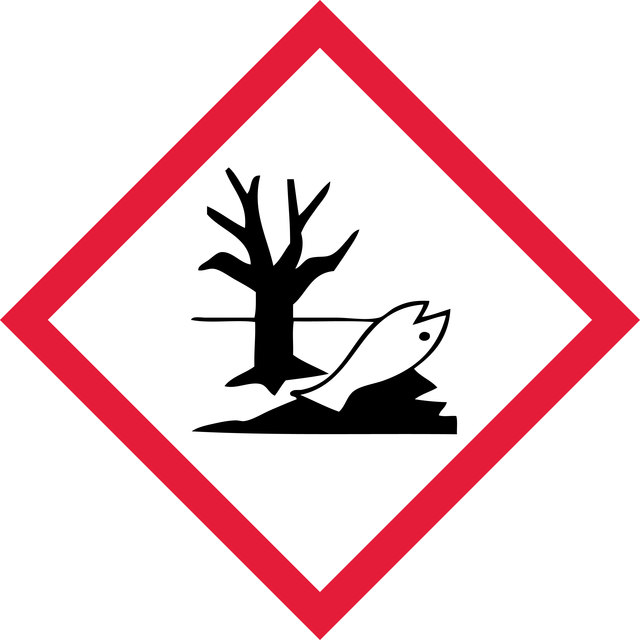
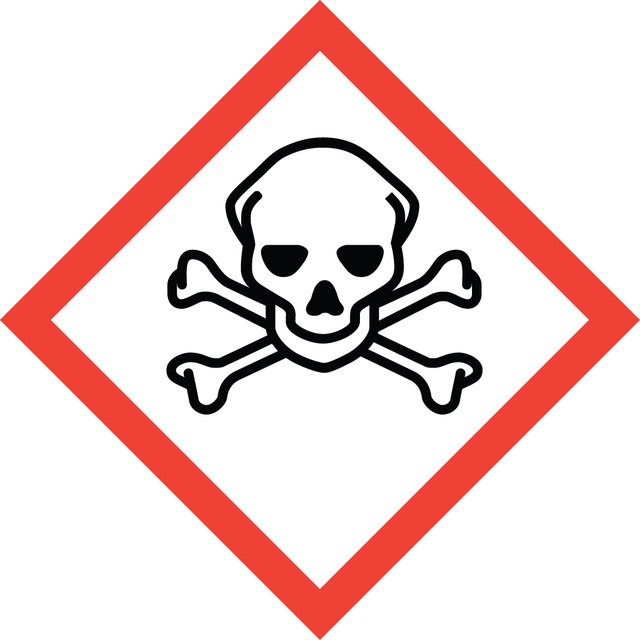
Acute Tox. 3 Dermal - Acute Tox. 3 Inhalation - Acute Tox. 3 Oral - Aquatic Chronic 2 - Eye Dam. 1 - Muta. 2 - Skin Corr. 1B - STOT RE 2

target_organs

Nervous system,Kidney,Liver,Skin

supp_hazards

Storage Class

6.1A - Combustible acute toxic Cat. 1 and 2 / very toxic hazardous materials

wgk

WGK 2

flash_point_f

174.2 °F - closed cup

flash_point_c

79 °C - closed cup

ppe

Faceshields, Gloves, Goggles, type ABEK (EN14387) respirator filter

Regulatory Information

危险化学品

This item has


Choose from one of the most recent versions:

Certificates of Analysis (COA)

Lot/Batch Number

Don't see the Right Version?

If you require a particular version, you can look up a specific certificate by the Lot or Batch number.

Already Own This Product?

Find documentation for the products that you have recently purchased in the Document Library.

Visit the Document Library


Protocols

TRI试剂是一种单步RNA分离试剂,可同时分离DNA、RNA和蛋白质。本实验方案概述了样品制备方法,以及各种样品提取方法和故障排除方案。

TRI Reagent enables simultaneous DNA, RNA, and protein isolation with sample prep guidelines and troubleshooting.

Articles

简单的DNA和RNA纯法方法大幅推动了基因组和基因表达的分析和鉴定。人们需要快速、方便地从多种细胞来源分离DNA和RNA,包括哺乳动物、植物和细菌培养物来源的细胞和组织。

Simple DNA/RNA purification methods aid genome analysis from various sources, enhancing research efficiency.


Hybrid amniotic membrane dressing with green silver nanoparticles as bioengineered skin for wounds and burns: a pilot studies
Ramesh B, et al.
Journal of biotechnology and biomaterials, 7(272), 2-2 (2017)
Expression of adenosine receptors and vegf during angiogenesis and its inhibition by pentoxifylline?a study using zebrafish model
Nathan J, et al.
Biomedicine and Pharmacotherapy, 84(6), 1406-1418 (2016)
Nina Jaeckisch et al.
PloS one, 6(12), e28012-e28012 (2011-12-14)
Many dinoflagellate species are notorious for the toxins they produce and ecological and human health consequences associated with harmful algal blooms (HABs). Dinoflagellates are particularly refractory to genomic analysis due to the enormous genome size, lack of knowledge about their


Global Trade Item Number

SKUGTIN
93289-100ML04061833282540
93289-25ML04061833282557