
L4005

Lipopolysaccharides from Escherichia coli O55:B5
purified by trichloroacetic acid extraction
Synonym(s):
LPS
Sign In to View Organizational & Contract Pricing.
Select a Size
Change View
About This Item
biological source
Escherichia coli (O55:B5)
Quality Level
form
lyophilized powder
purified by
trichloroacetic acid extraction
impurities
1-10% Protein (Lowry)
color
white to yellow
solubility
water: soluble
shipped in
ambient
storage temp.
2-8°C
General description
This product is TCA extracted from E. coli serotype O55:B5. The source strain is CDC 1644-70. The LPS O55:B5 has been used to stimulate human peritoneal macrophages at 1 ng/ml and to stimulate equine peritoneal macrophages at 1-100 ng/ml.
Application
Lipopolysaccharides (LPSs) are characteristic components of the cell wall of Gram-negative bacteria. LPS and its lipid A moiety stimulate cells of the innate immune system by the Toll-like receptor 4 (TLR4), a member of the Toll-like receptor protein family, which recognizes common pathogen-associated molecular-patterns (PAMPs).
Biochem/physiol Actions
Lipopolysaccharides (LPS) are localized in the outer layer of the membrane and are, in noncapsulated strains, exposed on the cell surface. They contribute to the integrity of the outer membrane, and protect the cell against the action of bile salts and lipophilic antibiotics.
Preparation Note
The product is soluble in water (5 mg/ml) or cell culture medium (1 mg/ml) yielding a hazy, faint yellow solution. A more concentrated, though still hazy, solution (20 mg/ml) has been achieved in aqueous saline after vortexing and warming to 70-80 oC. Lipopolysaccharides are molecules that form micelles in every solvent. Hazy solutions are observed in water and phosphate buffered saline. Organic solvents do not give clearer solutions. Methanol yields a turbid suspension with floaters, while water yields a homogeneously hazy solution.
Other Notes
To gain a comprehensive understanding of our extensive range of Lipopolysaccharides for your research, we encourage you to visit our Carbohydrates Category page.
Still not finding the right product?
Explore all of our products under Lipopolysaccharides from Escherichia coli O55:B5
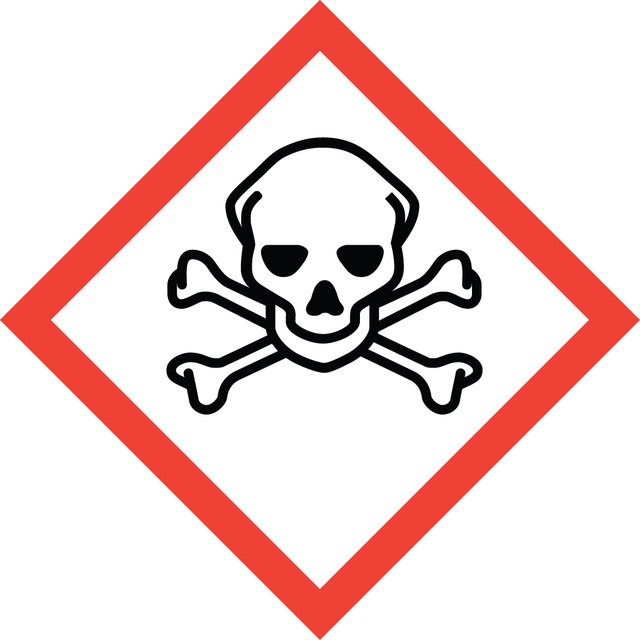
signalword
Danger
hcodes
Hazard Classifications
Acute Tox. 2 Oral
Storage Class
6.1A - Combustible acute toxic Cat. 1 and 2 / very toxic hazardous materials
wgk
WGK 3
flash_point_f
Not applicable
flash_point_c
Not applicable
Choose from one of the most recent versions:
Already Own This Product?
Find documentation for the products that you have recently purchased in the Document Library.
Articles
Explore the structure, function, and diverse applications of Lipopolysaccharides. Discover their role in bacteria, serological specificity, and research potential.
O Schulz et al.
Mucosal immunology, 7(4), 892-904 (2013-12-19)
Lymphoid organ hypertrophy is a hallmark of localized infection. During the inflammatory response, massive changes in lymphocyte recirculation and turnover boost lymphoid organ cellularity. Intriguingly, the exact nature of these changes remains undefined to date. Here, we report that hypertrophy
A Fernandez-Bustamante et al.
Respiratory physiology & neurobiology, 183(2), 149-158 (2012-06-26)
The regional distribution of inflammation during acute lung injury (ALI) is not well known. In an ovine ALI model we studied regional alveolar inflammation, surfactant composition, and CT-derived regional specific volume change (sVol) and specific compliance (sC). 18 ventilated adult
J T Frieling et al.
Antimicrobial agents and chemotherapy, 41(7), 1439-1443 (1997-07-01)
The in vitro production of interleukin-1beta (IL-1beta), IL-6, and the IL-1 receptor antagonist (IL-1ra) in whole blood upon stimulation with different bacterial strains was measured to study the possible relationship between disease severity and the cytokine-inducing capacities of these strains.
Global Trade Item Number
| SKU | GTIN |
|---|---|
| L4005-100MG | 04061833957189 |
| L4005-500MG | 04061833957196 |