
Skip to Content
Merck
CN

C4382

Carbamoylcholine chloride

≥98% (titration), Non-selective cholinergic agonist, crystalline

Synonym(s):

(2-Hydroxyethyl)trimethylammonium chloride carbamate, Carbachol, Carbamylcholine chloride

Sign In to View Organizational & Contract Pricing.

Select a Size

Change View

About This Item

Linear Formula:
NH2COOCH2CH2N(Cl)(CH3)3
CAS Number:
Molecular Weight:
182.65
EC Number:
200-127-3
NACRES:
NA.77
PubChem Substance ID:
UNSPSC Code:
12352200
MDL number:
Beilstein/REAXYS Number:
3917459
Assay:
≥98% (titration)
Form:
crystalline
Quality level:
Technical Service
Need help? Our team of experienced scientists is here for you.
Let Us Assist


Product Name

Carbamoylcholine chloride, ≥98% (titration), crystalline

Quality Level

assay

≥98% (titration)

form

crystalline

color

white

mp

210 °C (dec.) (lit.)

solubility

H2O: 1 g/mL, ethanol: 20 mg/mL

SMILES string

[Cl-].C[N+](C)(C)CCOC(N)=O

InChI

1S/C6H14N2O2.ClH/c1-8(2,3)4-5-10-6(7)9;/h4-5H2,1-3H3,(H-,7,9);1H

InChI key

AIXAANGOTKPUOY-UHFFFAOYSA-N

Application

Carbamoylcholine chloride has been used:
  • to stimulate insulin secretion in transgenic mice
  • to induce contraction of undifferentiated and differentiated human adipose-derived stem cells (hASCs)
  • to mediate constriction of iris in pupillary light reflex studies in mice

Biochem/physiol Actions

Carbachol elicits tear fluid secretion by interacting with muscarinic receptors. It is an analog of acetylcholine and an antiglaucoma drug. In ciliary processes, carbachol along with nitric oxide (NO) regulates Na+ and K+-ATPase activity. It stimulates insulin vesicles transport to the secretory site to increase insulin secretion.
Non-selective cholinergic agonist that is resistant to the action of cholinesterases; inhibits apoptotic death of cultured neurons, and may induce apoptosis in thymocytes.

Features and Benefits

This compound is featured on the Acetylcholine Receptors (Nicotinic) page of the Handbook of Receptor Classification and Signal Transduction. To browse other handbook pages, click here.


Still not finding the right product?

Explore all of our products under Carbamoylcholine chloride
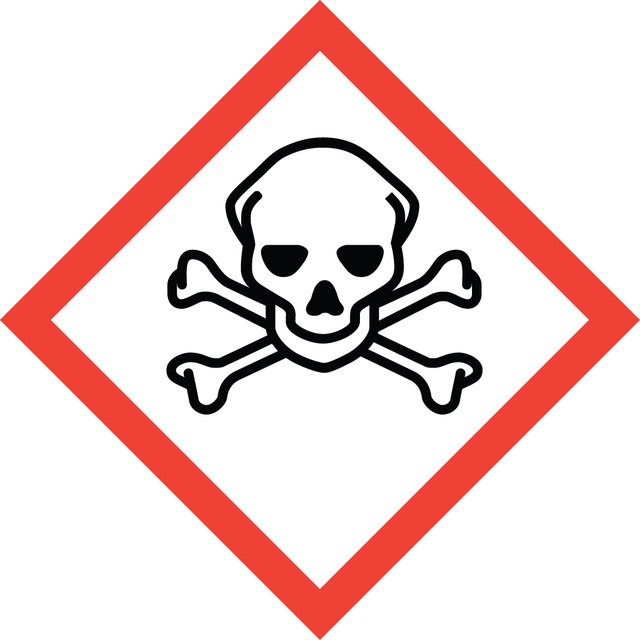

pictograms

Skull and crossbones

signalword

Danger

hcodes

Hazard Classifications

Acute Tox. 2 Oral

Storage Class

6.1A - Combustible acute toxic Cat. 1 and 2 / very toxic hazardous materials

wgk

WGK 3

flash_point_f

Not applicable

flash_point_c

Not applicable

ppe

Eyeshields, Faceshields, Gloves, type P2 (EN 143) respirator cartridges

Regulatory Information

危险化学品

This item has


Choose from one of the most recent versions:

Certificates of Analysis (COA)

Lot/Batch Number

Don't see the Right Version?

If you require a particular version, you can look up a specific certificate by the Lot or Batch number.

Already Own This Product?

Find documentation for the products that you have recently purchased in the Document Library.

Visit the Document Library


BMP4-BMPR1A signaling in beta cells is required for and augments glucose-stimulated insulin secretion
Goulley J, et al.
Cell Metabolism, 5(3), 207-219 (2007)
Targeted mutation of the calbindin D28k gene selectively alters nonvisual photosensitivity
Butler MP, et al.
The European Journal of Neuroscience, 33(12), 2299-2307 (2011)
Anne Cathrine Nøhr et al.
Scientific reports, 9(1), 3802-3802 (2019-03-09)
GPR139 is an orphan G protein-coupled receptor (GPCR) that is primarily expressed in the brain in regions known to regulate motor control and metabolism. Here, we screened a diverse 4,000 compound library in order to identify GPR139 agonists. We identified


Global Trade Item Number

SKUGTIN
C4382-10G04061833492048
C4382-1G04061835259595
C4382-25G04061832089799