
L4516

Lipopolysaccharides from Escherichia coli O127:B8
BioXtra, suitable for cell culture, γ-irradiated
Synonym(s):
LPS
Sign In to View Organizational & Contract Pricing.
Select a Size
Change View
About This Item
biological source
Escherichia coli (O127:B8)
Quality Level
sterility
γ-irradiated
product line
BioXtra
form
lyophilized powder
purified by
gel-filtration chromatography
technique(s)
cell culture | mammalian: suitable
impurities
<1% Protein (Lowry)
solubility
H2O: 5 mg/mL, slightly hazy
storage temp.
2-8°C
Application
Lipopolysaccharides (LPSs) are characteristic components of the cell wall of Gram-negative bacteria. LPS and its lipid A moiety stimulate cells of the innate immune system by the Toll-like receptor 4 (TLR4), a member of the Toll-like receptor protein family, which recognizes common pathogen-associated molecular-patterns (PAMPs).
Lipopolysaccharides from Escherichia coli 0127:B8 has been used:
- to study the LPS-induced macrophage survival in mice
- to elicit the secretion of cytokines by cattle PBMC
- to study apoptosis of highly susceptible macrophage cells in a LPS-induced proinflammatory environment
- to perform autophagy assay in BV2 and BV2-LC3 cells
- for stimulation of human monocytes, macrophages and mouse microglia cells
- to induce pentraxin-3 expression in 293T cells
Biochem/physiol Actions
Lipopolysaccharides (LPSs) are characteristic components of the cell wall of Gram-negative bacteria. LPS and its lipid A moiety stimulate cells of the innate immune system by the Toll-like receptor 4 (TLR4). Being an immunogenic antigen, it enhances immune responses to soluble antigens.
Preparation Note
Lipopolysaccharides are supplied as lyophilized, γ-irradiated powders. To reconstitute, add 1 ml sterile balanced salt solution or tissue culture medium to the vial (1 mg) and gently swirl until the powder dissolves. Reconstituted product may be further diluted to desired working concentrations using sterile balanced salt solution or tissue culture medium.
Other Notes
To gain a comprehensive understanding of our extensive range of Lipopolysaccharides for your research, we encourage you to visit our Carbohydrates Category page.
Still not finding the right product?
Explore all of our products under Lipopolysaccharides from Escherichia coli O127:B8
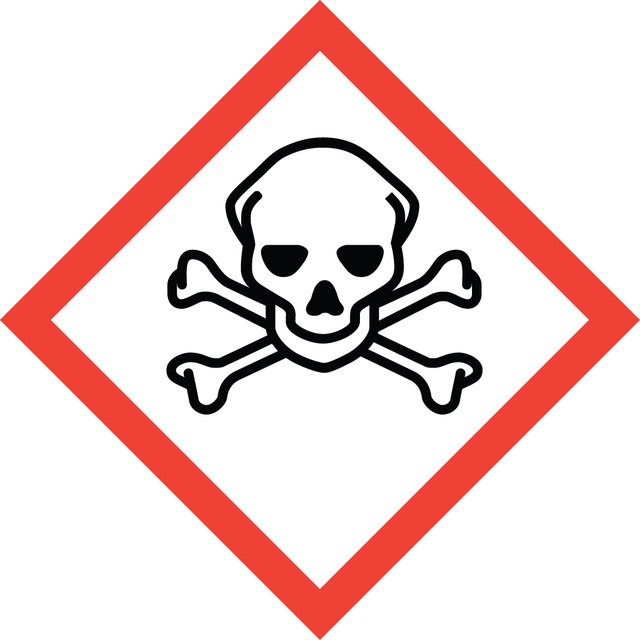
signalword
Danger
hcodes
Hazard Classifications
Acute Tox. 2 Oral
Storage Class
6.1A - Combustible acute toxic Cat. 1 and 2 / very toxic hazardous materials
wgk
WGK 3
flash_point_f
Not applicable
flash_point_c
Not applicable
Choose from one of the most recent versions:
Already Own This Product?
Find documentation for the products that you have recently purchased in the Document Library.
Articles
Explore the structure, function, and diverse applications of Lipopolysaccharides. Discover their role in bacteria, serological specificity, and research potential.
Related Content
W A Jensen et al.
Journal of virology, 66(7), 4427-4433 (1992-07-01)
The in vitro expression of bovine leukemia virus (BLV) in short-term cultured bovine peripheral blood mononuclear cells (PBMC) is associated with increased spontaneous lymphocyte blastogenesis. The purpose of this study was to determine whether intracellular pathways responsible for antigen- or
Debby Kruijsen et al.
Vaccine, 29(15), 2730-2741 (2011-02-15)
Inactivated respiratory syncytial virus (RSV) vaccines tend to predispose for immune mediated enhanced disease, characterized by Th2 responses and airway hypersensitivity reactions. We show in a C57BL/6 mouse model that the early innate response elicited by the challenge virus (RSV
Hua Liu et al.
International journal of clinical and experimental pathology, 6(4), 660-668 (2013-04-11)
The aim of the present study was to explore the role of receptor tyrosine kinases (RTKs) in the regulation of expression of PTX-3, a protector in atherosclerosis. Human monocytic U937 cells were infected with a shRNA lentiviral vector library targeting
Global Trade Item Number
| SKU | GTIN |
|---|---|
| L4516-1MG | 04061833957578 |