
L5263

Lyticase from Arthrobacter luteus
partially purified powder, ≥1,500 units/mg protein
Sign In to View Organizational & Contract Pricing.
Select a Size
Change View
About This Item
form
partially purified powder
specific activity
≥1,500 units/mg protein
composition
Protein, ≥10% biuret
storage temp.
2-8°C
Biochem/physiol Actions
Lyticase hydrolyzes poly-β(1→3)-glucose such as yeast cell wall glucan.
Physical form
Partially purified powder containing ammonium sulfate and stabilizer
Other Notes
One unit will produce a ΔA800 of 0.001 per min at pH 7.5 at 25 °C, using a suspension of yeast as substrate in a 3 mL reaction mixture.
View more information on enzymes for complex carbohydrate analysis at www.sigma-aldrich.com/enzymeexplorer
Still not finding the right product?
Explore all of our products under Lyticase from Arthrobacter luteus
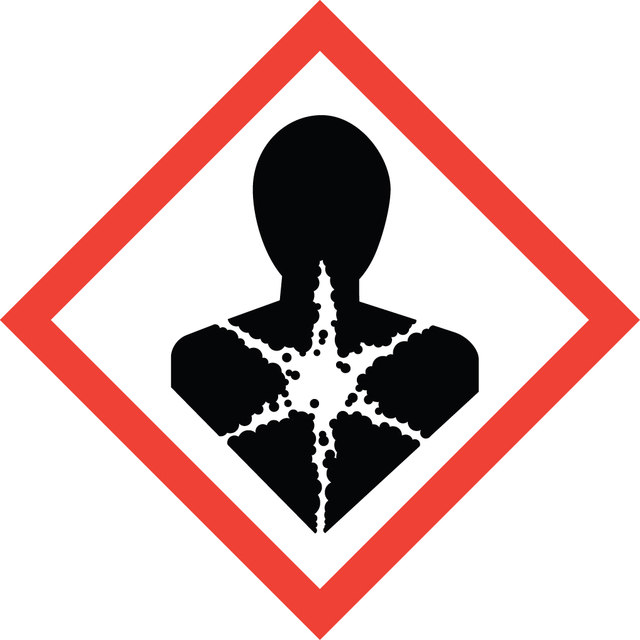
signalword
Danger
hcodes
pcodes
Hazard Classifications
Resp. Sens. 1
Storage Class
11 - Combustible Solids
wgk
WGK 3
flash_point_f
Not applicable
flash_point_c
Not applicable
ppe
Eyeshields, Gloves, type N95 (US)
Choose from one of the most recent versions:
Already Own This Product?
Find documentation for the products that you have recently purchased in the Document Library.