Skip to Content
Merck
CN

P5780

Putrescine dihydrochloride

powder, BioReagent, suitable for cell culture

Synonym(s):

1,4-Butanediamine dihydrochloride, 1,4-Diaminobutane dihydrochloride, Tetramethylenediamine dihydrochloride

Sign In to View Organizational & Contract Pricing.

Select a Size

Change View

About This Item

Linear Formula:
NH2(CH2)4NH2 · 2HCl
CAS Number:
Molecular Weight:
161.07
UNSPSC Code:
12352207
NACRES:
NA.75
PubChem Substance ID:
EC Number:
206-375-9
Beilstein/REAXYS Number:
3906680
MDL number:
Assay:
≥97% (TLC)
Form:
powder
Quality level:
Technical Service
Need help? Our team of experienced scientists is here for you.
Let Us Assist


Quality Level

biological source

microbial, synthetic

product line

BioReagent

assay

≥97% (TLC)

form

powder

technique(s)

cell culture | mammalian: suitable

mp

280 °C (dec.) (lit.)

solubility

H2O: 100 mg/mL

SMILES string

Cl[H].Cl[H].NCCCCN

InChI

1S/C4H12N2.2ClH/c5-3-1-2-4-6;;/h1-6H2;2*1H

InChI key

XXWCODXIQWIHQN-UHFFFAOYSA-N

General description

Putrescine is an end product of fatty acid metabolism in dead tissues. It is a volatile diamine with pungent odour. It is synthesized by the decarboxylation of ornithine in the presence of enzyme, ornithine decarboxylase. Molecular docking studies reveal the binding of putrescine to human receptors called the trace amine-associated receptors (TAAR6 and TAAR8), present in olfactory epithelium.

Application

Putrescine dihydrochloride has been used as medium component in F-12 + GlutaMax medium for mice ganglia culture, retinal ganglion cell culture and in HCT116 colon carcinoma cells for ornithine decarboxylase (ODC) assay.

Biochem/physiol Actions

Putrescine is regarded as a marker of stress in plants. External supplementation of putrescine helps wheat plants to overcome drought stress. It is crucial for cell proliferation in animals and modulates abscisic acid (ABA) levels during cold stress in Arabidopsis plants. It serves as an attractant for predators.
Binds to the polyamine modulatory site of the NMDA receptor and potentiates NMDA-induced currents; precursor of spermidine.
Binds to the polyamine modulatory site of the NMDA receptor; potentiates NMDA-induced currents.


Still not finding the right product?

Explore all of our products under Putrescine dihydrochloride


pictograms

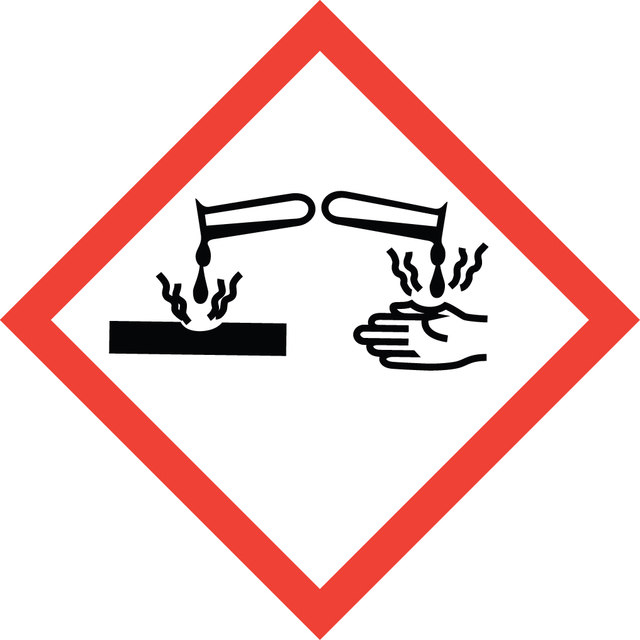
Skull and crossbonesCorrosion

signalword

Danger

Hazard Classifications

Acute Tox. 2 Inhalation - Acute Tox. 3 Dermal - Acute Tox. 4 Oral - Eye Dam. 1 - Skin Corr. 1B

Storage Class

6.1A - Combustible acute toxic Cat. 1 and 2 / very toxic hazardous materials

wgk

WGK 1

ppe

dust mask type N95 (US), Eyeshields, Gloves

flash_point_f

113.0 °F - closed cup

flash_point_c

45 °C - closed cup


Choose from one of the most recent versions:

Certificates of Analysis (COA)

Lot/Batch Number

Don't see the Right Version?

If you require a particular version, you can look up a specific certificate by the Lot or Batch number.

Already Own This Product?

Find documentation for the products that you have recently purchased in the Document Library.

Visit the Document Library


Polyamines and abiotic stress in plants: a complex relationship1
Minocha R, et al.
Frontiers in Plant Science, 5, 175-175 (2014)
Putrescine is involved in Arabidopsis freezing tolerance and cold acclimation by regulating abscisic acid levels in response to low temperature
Cuevas JC, et al.
Plant Physiology, 148(2), 1094-1105 (2008)
Identifying human diamine sensors for death related putrescine and cadaverine molecules
Izquierdo C, et al.
PLoS Computational Biology, 14(1), e1005945-e1005945 (2018)


Global Trade Item Number

SKUGTIN
P5780-5G04061835569199
P5780-25G04061835569182