
Select a Size
About This Item
vapor density
3.7 (vs air)
vapor pressure
1.08 mmHg ( 100 °C)
description
anti-fade reagent
assay
98% (GC)
bp
267 °C (lit.)
mp
138-143 °C (lit.)
SMILES string
Nc1ccc(N)cc1
InChI
1S/C6H8N2/c7-5-1-2-6(8)4-3-5/h1-4H,7-8H2
InChI key
CBCKQZAAMUWICA-UHFFFAOYSA-N
Application
- to evaluate its sensitization potential in vitro in langerhans-like dendritic cells and autologous T cells
- to treat the dorsal sides of the ears of mice, to study its systemic immunological effects
- in glycerol to coverslip coronal sections in the attempt to count Aβ plaques
Anti-fade reagent is added to the mounting medium in fluorescence microscopy to retard photobleaching of fluorescein and other fluorescent dyes.
Biochem/physiol Actions
Disclaimer
Still not finding the right product?
Explore all of our products under p-Phenylenediamine
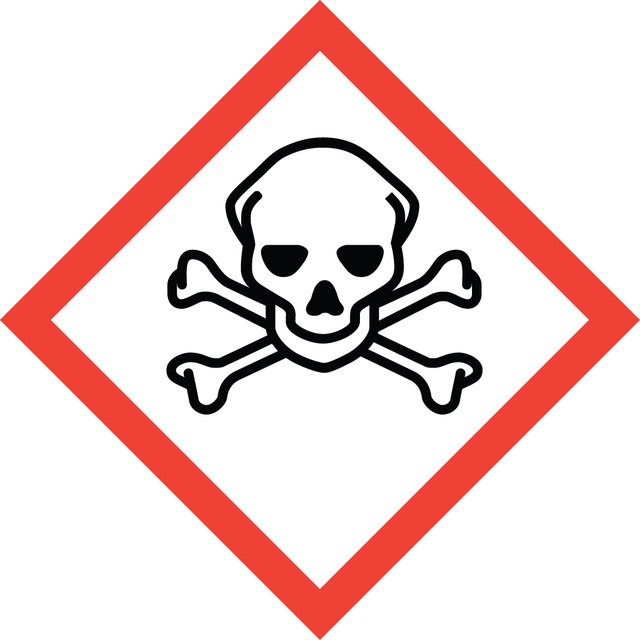
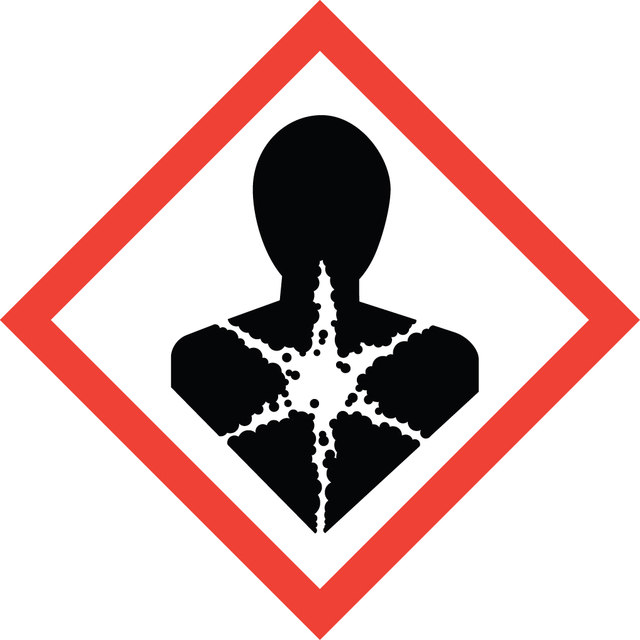
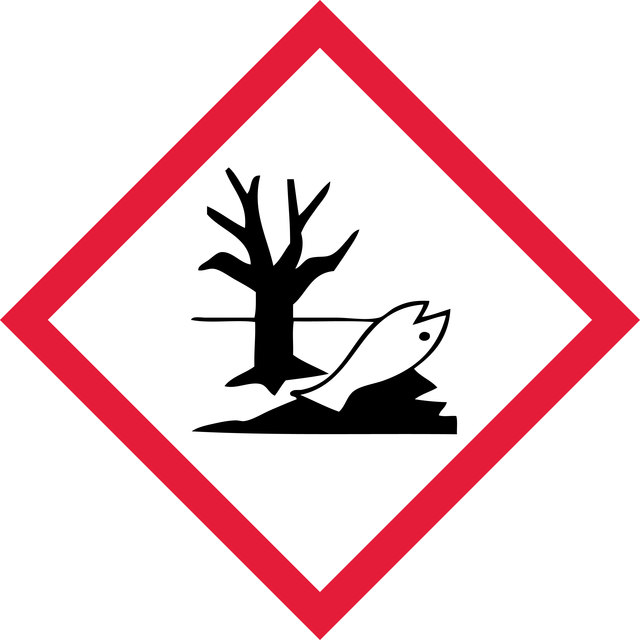
signalword
Danger
Hazard Classifications
Acute Tox. 3 Dermal - Acute Tox. 3 Inhalation - Acute Tox. 3 Oral - Aquatic Acute 1 - Aquatic Chronic 1 - Eye Irrit. 2 - Skin Sens. 1 - STOT SE 1 Oral
target_organs
Kidney,Heart,Musculo-skeletal system
Storage Class
6.1C - Combustible acute toxic Cat.3 / toxic compounds or compounds which causing chronic effects
wgk
WGK 3
flash_point_f
230.0 °F - closed cup
flash_point_c
110 °C - closed cup
ppe
Eyeshields, Faceshields, Gloves, type P2 (EN 143) respirator cartridges
Regulatory Information
This item has
Choose from one of the most recent versions:
Already Own This Product?
Find documentation for the products that you have recently purchased in the Document Library.
Global Trade Item Number
| SKU | GTIN |
|---|---|
| P6001-1KG | 04061834392767 |
| P6001-100G | 04061835558469 |
| P6001-250G | 04061835558476 |
| P6001-50G | 04061835558483 |