Sign In to View Organizational & Contract Pricing.
Select a Size
Change View
About This Item
Linear Formula:
NH2(CH2)4NH2 · 2HCl
CAS Number:
Molecular Weight:
161.07
NACRES:
NA.77
PubChem Substance ID:
UNSPSC Code:
12352200
EC Number:
206-375-9
MDL number:
Beilstein/REAXYS Number:
3906680
Product Name
Putrescine dihydrochloride, ≥98% (TLC)
Quality Level
assay
≥98% (TLC)
form
powder
mp
280 °C (dec.) (lit.)
solubility
H2O: soluble 100 mg/mL, clear, colorless
SMILES string
Cl[H].Cl[H].NCCCCN
InChI
1S/C4H12N2.2ClH/c5-3-1-2-4-6;;/h1-6H2;2*1H
InChI key
XXWCODXIQWIHQN-UHFFFAOYSA-N
Application
Putrescine dihydrochloride has been used:
- as a bioactive amine standard in high-performance liquid chromatography (HPLC)
- as a component of hormone mix supplemented to Dulbecco′s modified eagle medium (DMEM) to study its effects on neural stem cells
- as a supplement in DMEM for culturing of endometrial cancer cells
Biochem/physiol Actions
Binds to the polyamine modulatory site of the NMDA receptor and potentiates NMDA-induced currents; precursor of spermidine.
Binds to the polyamine modulatory site of the NMDA receptor; potentiates NMDA-induced currents.
Putrescine is an aliphatic amine and is positively charged. It acts as a precursor of spermine and plays a role in polyamine biosynthesis. Putrescine is found in several plants, animals, and bacteria. It plays a role in cell proliferation and cell growth in Escherichia coli. Putrescine is a component of agrochemicals, surfactants, pharmaceuticals, polymers, and additives.
Still not finding the right product?
Explore all of our products under Putrescine dihydrochloride

signalword
Danger
hcodes
Hazard Classifications
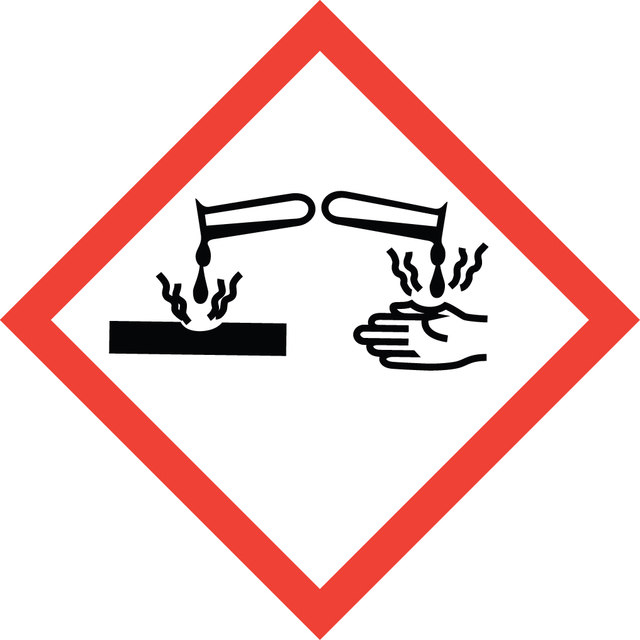
Acute Tox. 2 Inhalation - Acute Tox. 3 Dermal - Acute Tox. 4 Oral - Eye Dam. 1 - Skin Corr. 1B
Storage Class
6.1A - Combustible acute toxic Cat. 1 and 2 / very toxic hazardous materials
wgk
WGK 1
flash_point_f
113.0 °F - closed cup
flash_point_c
45 °C - closed cup
ppe
dust mask type N95 (US), Eyeshields, Gloves
Choose from one of the most recent versions:
Already Own This Product?
Find documentation for the products that you have recently purchased in the Document Library.
Related Content
Mito Kanatsu-Shinohara et al.
Methods in enzymology, 477, 17-36 (2010-08-12)
Spermatogonial stem cells (SSCs) in the testes are a new target for germline modification. With the development of an in vitro culture system and spermatogonial transplantation technique, SSCs can now be manipulated and used as an alternative to embryonic stem
Ulises Gómez-Pinedo et al.
Frontiers in neurology, 8, 255-255 (2017-06-22)
Alexander disease (AxD) is a rare disease caused by mutations in the gene encoding glial fibrillary acidic protein (GFAP). The disease is characterized by presence of GFAP aggregates in the cytoplasm of astrocytes and loss of myelin. Determine the effect
Jian Liu et al.
Journal of neuroscience research, 98(7), 1498-1513 (2020-03-14)
The neuroretina is protected by its own defense system, that is microglia and the complement system. Under normal physiological conditions, microglial activation is tightly regulated by the neurons although the underlying mechanism remains elusive. Using published single-cell RNA sequencing data
Global Trade Item Number
| SKU | GTIN |
|---|---|
| P7505-25G | 04061835558643 |
| P7505-100G | 04061835558636 |