Sign In to View Organizational & Contract Pricing.
Select a Size
Change View
About This Item
Linear Formula:
C6H4(NH2)2·2HCl
CAS Number:
Molecular Weight:
181.06
NACRES:
NA.83
PubChem Substance ID:
UNSPSC Code:
12352204
MDL number:
Beilstein/REAXYS Number:
3912045
Product Name
o-Phenylenediamine dihydrochloride, tablet, 4 mg substrate per tablet
Quality Level
form
tablet
mp
258 °C (dec.) (lit.)
storage temp.
2-8°C
SMILES string
Cl[H].Cl[H].Nc1ccccc1N
InChI
1S/C6H8N2.2ClH/c7-5-3-1-2-4-6(5)8;;/h1-4H,7-8H2;2*1H
InChI key
RIIWUGSYXOBDMC-UHFFFAOYSA-N
General description
o-Phenylenediamine dihydrochloride (OPD) is a chromogenic substrate that can be used in enzyme-linked immunosorbent assay (ELISA) procedures as it utilizes horseradish peroxidase conjugates. The substrate produces a soluble end product that is orange-brown and can be read spectrophotometrically at 450 nm. The OPD reaction may be stopped with 3N HCl or 3M H2SO4 and read at 492 nm.
Application
o-Phenylenediamine dihydrochloride has been used as a substrate for horseradish-peroxidase-conjugated secondary antibodies in enzyme-linked immunosorbent assay (ELISA).
Preparation Note
Dissolve one tablet in 0.05 M phosphate-citrate buffer, pH 5.0, to the desired concentration (typically an OPD concentration of 0.4 mg/ml is used). Add 40 μl of fresh 30% hydrogen peroxide per 100 ml of substrate buffer solution, immediately prior to use. Tablets are individually packaged in foil packets.
Still not finding the right product?
Explore all of our products under o-Phenylenediamine dihydrochloride
signalword
Warning
hcodes
Hazard Classifications
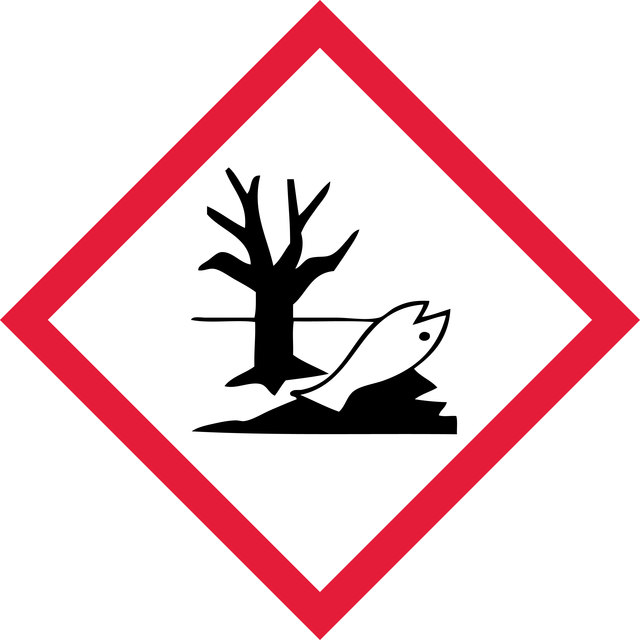
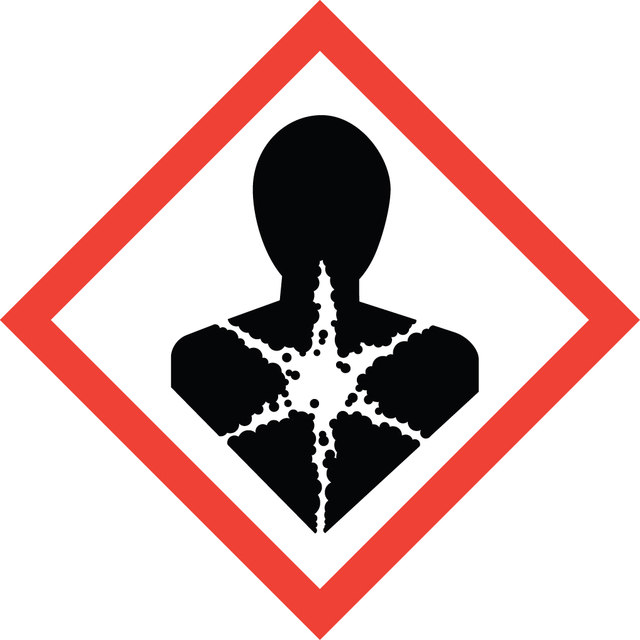
Aquatic Chronic 2 - Carc. 2 - Muta. 2 - Skin Sens. 1
Storage Class
11 - Combustible Solids
wgk
WGK 3
Choose from one of the most recent versions:
Already Own This Product?
Find documentation for the products that you have recently purchased in the Document Library.
Articles
硝基蓝四唑(NBT)可与碱性磷酸酶底物5-溴-4-氯-3-吲哚基磷酸盐(BCIP)一起用于蛋白印迹和免疫组织染色程序。这些底物系统产生不溶的NBT二甲终产物,其颜色为蓝至紫色,可以通过视觉观察到。
NBT-BCIP substrate system aids in western blotting and immunohistological staining, producing a blue-purple insoluble end product.
Related Content
Esther Steiner et al.
BMC veterinary research, 5, 45-45 (2009-12-24)
Porcine circovirus type 2 (PCV2) is a dominant causative agent of postweaning multisystemic wasting syndrome (PMWS), a multifactorial disease complex with putative immunosuppressive characteristics. Little is known about adaptive PCV2-specific immune responses in infected pigs. Therefore, the T and B
Siddhartha K Bhaumik et al.
Viruses, 11(1) (2019-01-02)
The re-emergence of Zika virus (ZIKV) in the western hemisphere has most significantly affected dengue virus (DENV) endemic regions. Due to the geographical overlap between these two closely related flaviviruses, numerous individuals who suffered ZIKV infection during recent outbreaks may
Min Mo et al.
Infection and immunity, 76(5), 1837-1847 (2008-02-27)
Attachment of erythrocytes infected by Plasmodium falciparum to receptors of the microvasculature is a major contributor to the pathology and morbidity associated with malaria. Adhesion is mediated by the P. falciparum erythrocyte membrane protein 1 (PfEMP-1), which is expressed at
Global Trade Item Number
| SKU | GTIN |
|---|---|
| P8787-50TAB | 04061834401827 |
| P8787-100TAB | 04061835558858 |