Skip to Content
Merck
CN

S5261

Sodium selenite

BioReagent, suitable for cell culture, ≥98%

Synonym(s):

Selenious acid, Sodium salt

Sign In to View Organizational & Contract Pricing.

Select a Size

Change View

About This Item

Linear Formula:
Na2SeO3
CAS Number:
Molecular Weight:
172.94
NACRES:
NA.75
PubChem Substance ID:
UNSPSC Code:
12352205
EC Number:
233-267-9
MDL number:
Technical Service
Need help? Our team of experienced scientists is here for you.
Let Us Assist


biological source

synthetic (inorganic)

Quality Level

product line

BioReagent

assay

≥98%

form

powder

technique(s)

cell culture | mammalian: suitable

mp

>350 °C (lit.)

solubility

water: 50 mg/mL, clear to slightly hazy, colorless to faintly yellow

SMILES string

[Na+].[Na+].[O-][Se]([O-])=O

InChI

1S/2Na.H2O3Se/c;;1-4(2)3/h;;(H2,1,2,3)/q2*+1;/p-2

InChI key

BVTBRVFYZUCAKH-UHFFFAOYSA-L

Application

This product is cell culture tested (0.005 mg/L) and is appropriate for use in cell culture applications.
Sodium selenite is commonly used as a source of selenium in biological research, where selenium is an essential trace element that is normally provided by serum. Selenium is present in selenoproteins such as glutathione peroxidase and thioredoxin reductase, which contain the selenium analog of cysteine, selenocysteine. In particular, glutathione peroxidase has a role in detoxification in vivo as a scavenger of peroxides. Sodium selenite has been utilized in studies of cell proliferation and cancer research. It has been used to alter gene expression in HepG2 cells as analyzed by cDNA microarrays. Sodium selenite can inhibit zinc finger protein/DNA interactions. Sodium selenite has been shown to alter mitochondrial membrane potentials and thus potentially contribute to apoptosis.


Still not finding the right product?

Explore all of our products under Sodium selenite
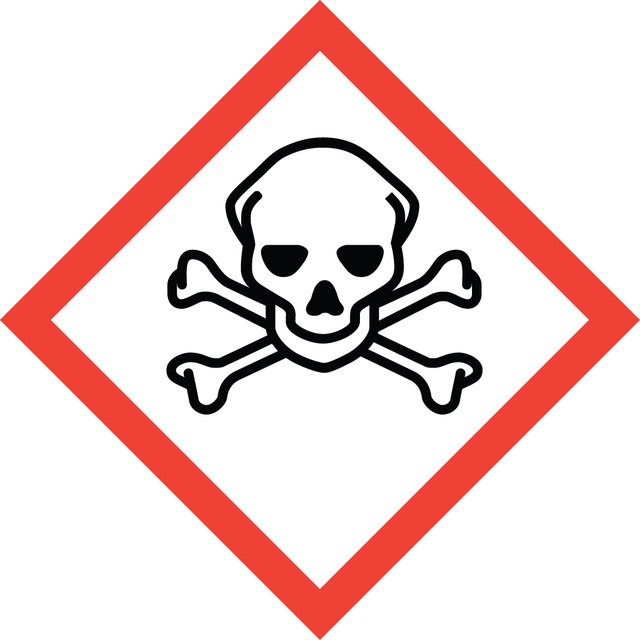

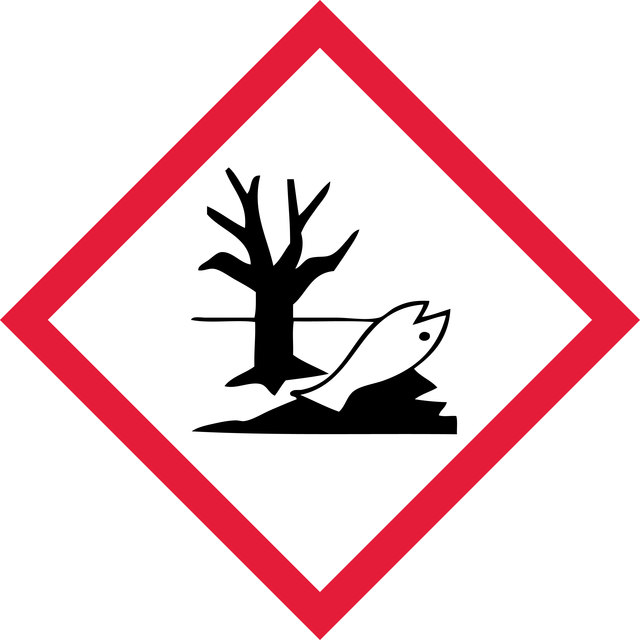
pictograms

Skull and crossbonesEnvironment

signalword

Danger

Hazard Classifications

Acute Tox. 2 Inhalation - Acute Tox. 2 Oral - Aquatic Chronic 2 - Eye Irrit. 2 - Skin Irrit. 2 - Skin Sens. 1

supp_hazards

Storage Class

6.1A - Combustible acute toxic Cat. 1 and 2 / very toxic hazardous materials

wgk

WGK 2

flash_point_f

Not applicable

flash_point_c

Not applicable

ppe

Eyeshields, Faceshields, Gloves, type P3 (EN 143) respirator cartridges

Regulatory Information

危险化学品

This item has


Choose from one of the most recent versions:

Certificates of Analysis (COA)

Lot/Batch Number

Don't see the Right Version?

If you require a particular version, you can look up a specific certificate by the Lot or Batch number.

Already Own This Product?

Find documentation for the products that you have recently purchased in the Document Library.

Visit the Document Library


Articles

抗氧化剂可保护生物系统免受含氧自由基和氧化还原过渡金属离子(如铁、铜和镉)引起的氧化损伤。

Antioxidants protect biological systems from oxidative damage produced by oxygen-containing free radicals and from redoxactive transition metal ions such as iron, copper, and cadmium.


Canonical TGF-beta signaling negatively regulates neuronal morphogenesis through TGIF/Smad complex-mediated CRMP2 suppression
Nakashima H, et al.
The Journal of Neuroscience, 2423-2417 (2018)
Astrocytes expressing ALS-linked mutant FUS induce motor neuron death through release of tumor necrosis factor-alpha
Kia A, et al.
Glia, 66(5), 1016-1033 (2018)
Miao Zhang et al.
Stem cells (Dayton, Ohio), 33(5), 1456-1469 (2015-02-03)
Directed cardiac differentiation of human pluripotent stem cells (hPSCs) enables disease modeling, investigation of human cardiogenesis, as well as large-scale production of cardiomyocytes (CMs) for translational purposes. Multiple CM differentiation protocols have been developed to individually address specific requirements of


Global Trade Item Number

SKUGTIN
S5261-25G04061835569403
S5261-100G04061835569380
S5261-10G04061835569397