
S7401

Salicylic acid
suitable for plant cell culture
Synonym(s):
2-Hydroxybenzoic acid
Sign In to View Organizational & Contract Pricing.
Select a Size
Change View
About This Item
Linear Formula:
2-(HO)C6H4CO2H
CAS Number:
Molecular Weight:
138.12
UNSPSC Code:
12352207
NACRES:
NA.71
PubChem Substance ID:
EC Number:
200-712-3
Beilstein/REAXYS Number:
774890
MDL number:
Assay:
≥99% (HPLC)
Form:
powder
vapor density
4.8 (vs air)
Quality Level
vapor pressure
1 mmHg ( 114 °C)
assay
≥99% (HPLC)
form
powder
technique(s)
cell culture | plant: suitable
bp
211 °C (lit.)
mp
158-161 °C (lit.)
solubility
ethanol: 50 mg/mL
density
1.44 g/cm3 at 20 °C
SMILES string
OC(=O)c1ccccc1O
InChI
1S/C7H6O3/c8-6-4-2-1-3-5(6)7(9)10/h1-4,8H,(H,9,10)
InChI key
YGSDEFSMJLZEOE-UHFFFAOYSA-N
Gene Information
human ... ALB(213), PTPN1(5770)
General description
Salicylic acid (SA) is a phenolic compound produced in plants.
Application
Salicylic acid has been used:
- to study its effects on glandular trichomes in Artemisia annua
- to study its effects on DNA methylation in Taraxacum alatum andTaraxacum hemicyclum
- to study its effects on parasite epidemics in Lolium arundinaceum
Biochem/physiol Actions
Salicylic acid (SA) plays a role in endogenous signaling for plant disease resistance. SA is also involved in mediating thermogenesis and symptom development.
Still not finding the right product?
Explore all of our products under Salicylic acid
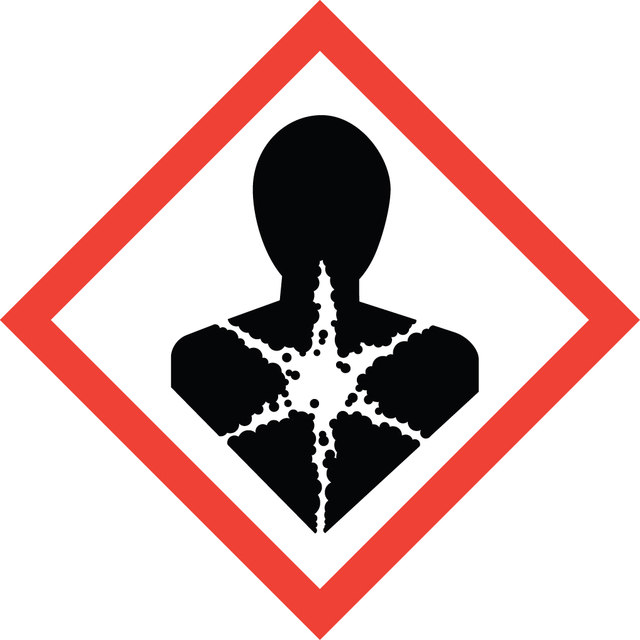
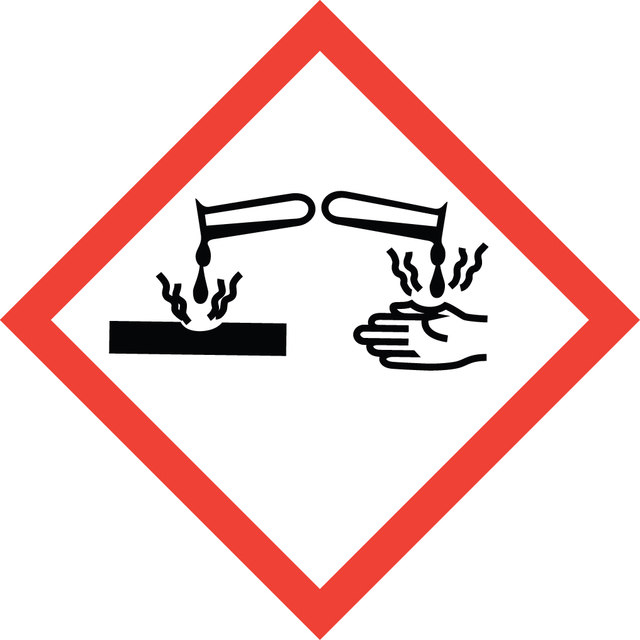
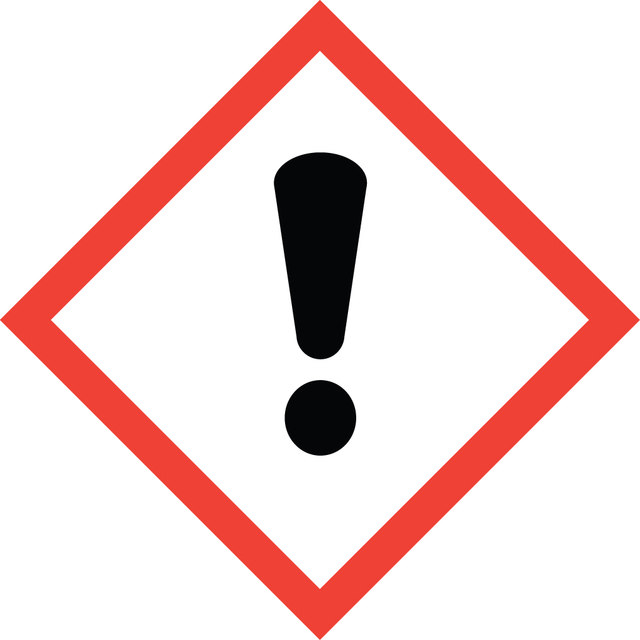
signalword
Danger
hcodes
Hazard Classifications
Acute Tox. 4 Oral - Eye Dam. 1 - Repr. 2
Storage Class
11 - Combustible Solids
flash_point_f
314.6 °F - closed cup
flash_point_c
157 °C - closed cup
ppe
dust mask type N95 (US), Eyeshields, Gloves
Choose from one of the most recent versions:
Already Own This Product?
Find documentation for the products that you have recently purchased in the Document Library.
Anders Kjær et al.
AoB PLANTS, 2012, pls018-pls018 (2012-07-27)
Glandular trichomes (GT) of Artemisia annua produce valuable compounds for pharmaceutical and industrial uses, most notably the anti-malarial artemisinin. Our aim was to find out whether the density, number and size of GT can be manipulated to advantage by environmental
Dorothea Ellinger et al.
Plant physiology, 161(3), 1433-1444 (2013-01-22)
A common response by plants to fungal attack is deposition of callose, a (1,3)-β-glucan polymer, in the form of cell wall thickenings called papillae, at site of wall penetration. While it has been generally believed that the papillae provide a
Yunlong Du et al.
Proceedings of the National Academy of Sciences of the United States of America, 110(19), 7946-7951 (2013-04-25)
Removal of cargos from the cell surface via endocytosis is an efficient mechanism to regulate activities of plasma membrane (PM)-resident proteins, such as receptors or transporters. Salicylic acid (SA) is an important plant hormone that is traditionally associated with pathogen
Global Trade Item Number
| SKU | GTIN |
|---|---|
| S7401-500G | 04061838590336 |