
SAE0152

Lysozyme from chicken egg white
free of DNA contaminants, suitable for Microbiome research, lyophilized powder, protein ≥90%, ≥39,000 units/mg protein
Synonym(s):
Lysozyme from chicken egg white, Mucopeptide N-acetylmuramoylhydrolase, Muramidase
Sign In to View Organizational & Contract Pricing.
Select a Size
Change View
About This Item
CAS Number:
UNSPSC Code:
12352204
NACRES:
NA.77
MDL number:
biological source
chicken egg white
Quality Level
form
powder
specific activity
≥39000 units/mg protein
mol wt
single-chain 14.3 kDa
feature
DNA free
technique(s)
cell based assay: suitable
suitability
suitable for cell lysis
application(s)
cell analysis
shipped in
ambient
storage temp.
−20°C
General description
Purified Lysozyme DNA free SAE0152 undergoes strict quality control testing to ensure the absence of detectable levels of contaminating DNA using 35 cycles PCR amplification of 16S and 18S rDNA using universal primer sets.
Lysozyme is a single chain polypeptide of 129 amino acids cross-linked with four disulfide bridges.1 It hydrolyzes b(1à 4) linkages between N-acetylmuraminic acid and N-acetyl-D-glucosamine residues in peptidoglycan and between N-acetyl-D-glucosamine residues in chitodextrin.2,3,4 The enzyme is often used for lysing bacterial cells by hydrolyzing the peptidoglycan present in the cell walls. Gram-positive cells are quite susceptible to this hydrolysis as their cell walls have a high proportion of peptidoglycan. Gram-negative bacteria are less susceptible due to the presence of an outer membrane and a lower proportion of peptidoglycan.
The enzyme is active over a broad pH range (6.0-9.0).
Lysozyme activity: ≥40,000 units/mg protein.
For isolation of nucleic acids, lysozyme has been used in the lysis peptidoglycan layer of bacterial cell walls.
The study of microbial communities has been revolutionized in recent years by the widespread adoption of culture independent analytical techniques such as 16S rRNA gene sequencing and metagenomics. Since DNA contamination during sample preparation is a major problem of these sequence-based approaches, DNA extraction reagents free of DNA contaminates are essential. This purified lysozyme preparation (SAE0152) is purified from chicken egg white, crystallized three times, dialyzed, and supplied as a lyophilized powder. Protein content by UV absorbance is ≥ 90% with the remainder (∼10%) being buffer salts such as sodium acetate and sodium chloride, and undergoes strict quality control testing to ensure the absence of detectable levels of contaminating DNA using 35 cycles PCR amplification of 16S and 18S rDNA using universal primer sets.
Lysozyme is a single chain polypeptide of 129 amino acids cross-linked with four disulfide bridges.1 It hydrolyzes b(1à 4) linkages between N-acetylmuraminic acid and N-acetyl-D-glucosamine residues in peptidoglycan and between N-acetyl-D-glucosamine residues in chitodextrin.2,3,4 The enzyme is often used for lysing bacterial cells by hydrolyzing the peptidoglycan present in the cell walls. Gram-positive cells are quite susceptible to this hydrolysis as their cell walls have a high proportion of peptidoglycan. Gram-negative bacteria are less susceptible due to the presence of an outer membrane and a lower proportion of peptidoglycan.
The enzyme is active over a broad pH range (6.0-9.0).
Lysozyme activity: ≥40,000 units/mg protein.
For isolation of nucleic acids, lysozyme has been used in the lysis peptidoglycan layer of bacterial cell walls.
The study of microbial communities has been revolutionized in recent years by the widespread adoption of culture independent analytical techniques such as 16S rRNA gene sequencing and metagenomics. Since DNA contamination during sample preparation is a major problem of these sequence-based approaches, DNA extraction reagents free of DNA contaminates are essential. This purified lysozyme preparation (SAE0152) is purified from chicken egg white, crystallized three times, dialyzed, and supplied as a lyophilized powder. Protein content by UV absorbance is ≥ 90% with the remainder (∼10%) being buffer salts such as sodium acetate and sodium chloride, and undergoes strict quality control testing to ensure the absence of detectable levels of contaminating DNA using 35 cycles PCR amplification of 16S and 18S rDNA using universal primer sets.
Application
- Lysozyme is used for the extraction of genomic DNA from bacterial cells.
- Lysozyme is used as an external standard for MALDI-TOF (matrix assisted laser desorption ionization-time of flight) mass analysis.
- Lysonzyme is used to prepare spheroplasts.
Enzyme breaks down the cell walls of bacteria; used to prepare spheroplasts.
Biochem/physiol Actions
Lysozyme hydrolyzes β(1→4) linkages between N-acetylmuramic acid and N-acetyl-D-glucosamine residues in peptidoglycan and between N-acetyl-D-glucosamine residues in chitodextrin. Gram-positive cells are quite susceptible to this hydrolysis as their cell walls have a high proportion of peptidoglycan. Gram-negative bacteria are less susceptible due to the presence of an outer membrane and a lower proportion of peptidoglycan. However, these cells may be hydrolyzed in the presence of EDTA that chelates metal ions in the outer bacterial membrane.
The enzyme is active over a broad pH range (6.0 to 9.0). At pH 6.2, maximal activity is observed over a wider range of ionic strengths (0.02 to 0.100 M) than at pH 9.2 (0.01 to 0.06 M).
The enzyme is active over a broad pH range (6.0 to 9.0). At pH 6.2, maximal activity is observed over a wider range of ionic strengths (0.02 to 0.100 M) than at pH 9.2 (0.01 to 0.06 M).
Lysozyme hydrolyzes β(1→4) linkages between N-acetylmuramic acid and N-acetyl-D-glucosamine residues in peptidoglycan and between N-acetyl-D-glucosamine residues in chitodextrin. Gram-positive cells are quite susceptible to this hydrolysis as their cell walls have a high proportion of peptidoglycan.
Features and Benefits
Purified Lysozyme free SAE0152 undergoes strict quality control testing to ensure it will be Free of DNA contaminants, suitable for Microbiome research.
The study of microbial communities has been revolutionized in recent years by the widespread adoption of culture independent analytical techniques such as 16S rRNA gene sequencing and metagenomics. Since DNA contamination during sample preparation is a major problem of these sequence-based approaches, DNA extraction reagents free of DNA contaminates are essential.
The study of microbial communities has been revolutionized in recent years by the widespread adoption of culture independent analytical techniques such as 16S rRNA gene sequencing and metagenomics. Since DNA contamination during sample preparation is a major problem of these sequence-based approaches, DNA extraction reagents free of DNA contaminates are essential.
Other Notes
One unit will lyse 0.6 μg of Micrococcus lysodeikticus per minute by turbidimetric detection at 600 nm when suspended in buffer at pH 6.2 at 25 °C.
Still not finding the right product?
Explore all of our products under Lysozyme from chicken egg white
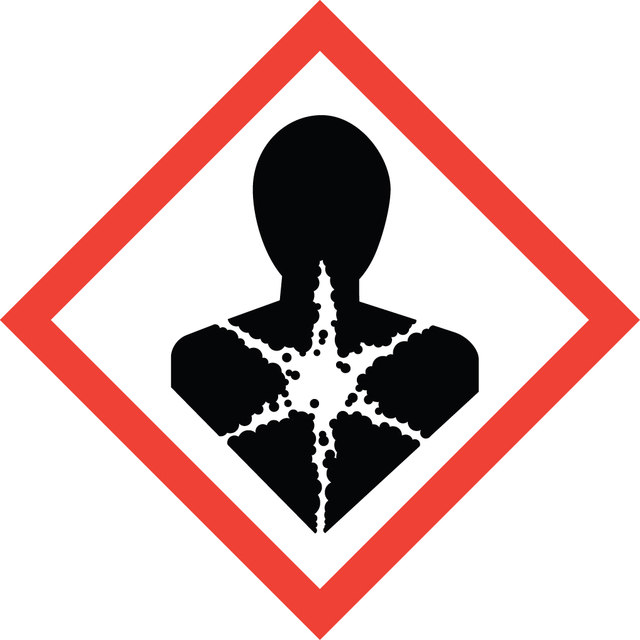
signalword
Danger
hcodes
pcodes
Hazard Classifications
Resp. Sens. 1
Storage Class
11 - Combustible Solids
wgk
WGK 3
flash_point_f
Not applicable
flash_point_c
Not applicable
Regulatory Information
低风险生物材料
This item has
Choose from one of the most recent versions:
Already Own This Product?
Find documentation for the products that you have recently purchased in the Document Library.
Articles
裂解酶提供了一种非机械式细胞裂解和原生质体准备方法。这看上去是个非常简单的过程:只需加入酶,将试管放入水浴然即可。但这过程中到底发生了什么?
Enzymatic cell lysis and protoplast prep processes demystified, revealing complex enzymatic reactions during sample preparation.