
SRP5256

HSP90β, His tagged human
recombinant, expressed in baculovirus infected Sf9 cells, ≥70% (SDS-PAGE), buffered aqueous glycerol solution
Synonym(s):
D6S182, HSP90AB1, HSP90B, HSPC2, HSPCB
Sign In to View Organizational & Contract Pricing.
Select a Size
Change View
About This Item
NACRES:
NA.32
UNSPSC Code:
12352200
Form:
buffered aqueous glycerol solution
Assay:
≥70% (SDS-PAGE)
Biological source:
human
Recombinant:
expressed in baculovirus infected Sf9 cells
Mol wt:
~91 kDa
biological source
human
recombinant
expressed in baculovirus infected Sf9 cells
assay
≥70% (SDS-PAGE)
form
buffered aqueous glycerol solution
mol wt
~91 kDa
NCBI accession no.
application(s)
cell analysis
shipped in
dry ice
storage temp.
−70°C
Gene Information
human ... HSP90AB1(3326)
General description
HSP90β is a member of the HSP90 family of proteins which are important molecular chaperones involved in signal transduction, cell cycle control, stress management, and folding, degradation, and transport of proteins. HSP90 proteins have been found in a variety of organisms suggesting that they are ancient and conserved. HSP90 binds to client proteins (such as steroid receptors, AKT, Bcr-Abl, Apaf-1, survivin, cyclin dependent kinases) and acts as a molecular chaperone. Failure of Hsp90 chaperone activity leads to misfolding of client proteins, which leads to ubiquitination and proteasome degradation, and thus deregulation of cellular homeostasis.
Biochem/physiol Actions
Heat shock protein 90kDa α family class B member 1 (HSP90AB1) is expressed in cancers and has a role in the infection of Japanese encephalitis virus. It also takes part in signal transduction pathways.
Physical form
Supplied in 50 mM sodium phosphate, pH 7.0, 300 mM NaCl, 150 mM imidazole, 0.1 mM PMSF, 0.2 mM DTT, 25% glycerol.
Preparation Note
After opening, aliquot into smaller quantities and store at -70 °C. Avoid repeating handling and multiple freeze/thaw cycles.
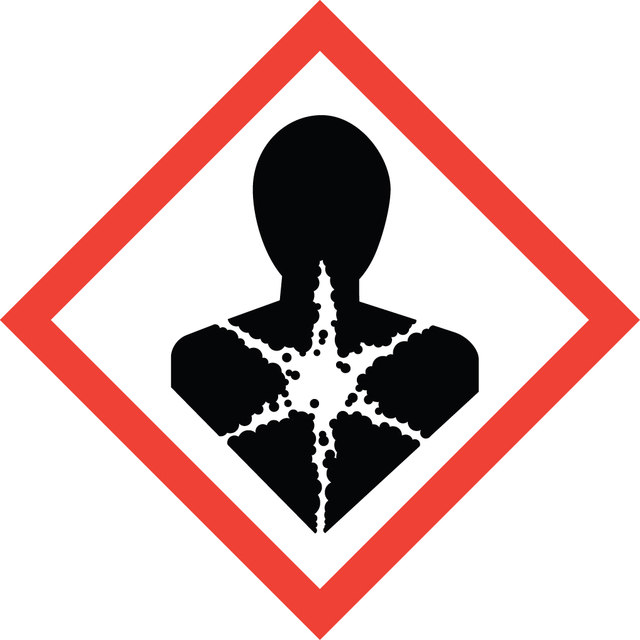

signalword
Danger
hcodes
Hazard Classifications
Eye Irrit. 2 - Repr. 1B - Skin Irrit. 2
Storage Class
6.1C - Combustible acute toxic Cat.3 / toxic compounds or compounds which causing chronic effects
wgk
WGK 1
flash_point_f
Not applicable
flash_point_c
Not applicable
Regulatory Information
新产品
This item has
Choose from one of the most recent versions:
Already Own This Product?
Find documentation for the products that you have recently purchased in the Document Library.
Heat-shock protein 90 inhibitors in cancer therapy: 17AAG and beyond.
Georgakis GV and Younes A
Future Oncology, 1(2), 273-281 (2005)
Comparative genomics and evolution of the HSP90 family of genes across all kingdoms of organisms
Bin Chen
BMC Genomics, 7, 156-156 (2006)
Morgan C Hunter et al.
PloS one, 9(1), e86842-e86842 (2014-01-28)
Heat shock protein 90 (Hsp90) has been identified in the extracellular space and has been shown to chaperone a finite number of extracellular proteins involved in cell migration and invasion. We used chemical cross-linking and immunoprecipitation followed by tandem mass
Global Trade Item Number
| SKU | GTIN |
|---|---|
| SRP5256-20UG | 04061838059239 |