
T0535

Tolfenamic acid
NSAID
Synonym(s):
2 (3-Chloro-2-methylanilino)benzoic acid, 2-([3-Chloro-2-methylphenyl]amino)benzoic acid
Sign In to View Organizational & Contract Pricing.
Select a Size
Change View
About This Item
Empirical Formula (Hill Notation):
C14H12ClNO2
CAS Number:
Molecular Weight:
261.70
NACRES:
NA.77
PubChem Substance ID:
UNSPSC Code:
12352202
EC Number:
237-264-3
MDL number:
Quality Level
assay
≥98% (TLC)
form
powder
solubility
ethanol: 50 mg/mL, clear, greenish-yellow
SMILES string
Cc1c(Cl)cccc1Nc2ccccc2C(O)=O
InChI
1S/C14H12ClNO2/c1-9-11(15)6-4-8-12(9)16-13-7-3-2-5-10(13)14(17)18/h2-8,16H,1H3,(H,17,18)
InChI key
YEZNLOUZAIOMLT-UHFFFAOYSA-N
General description
Tolfenamic acid is a fenamate and is made up of a monocarboxylate diphenylamine nucleus.
Application
Tolfenamic acid has been used in Arabidopsis bud assay for activity comparison with quinazolinedione derivatives (QADD) based compounds.
Biochem/physiol Actions
Tolfenamic acid is involved in the inhibition of prostaglandin synthesis. It also plays a role in apoptosis of head and neck cancer cells.
Non-steroidal anti-inflammatory agent. Interferes with synthesis of β-amyloid precursor protein, and thus Aβ peptides, by promoting degradation of an essential transcription factor.
Still not finding the right product?
Explore all of our products under Tolfenamic acid
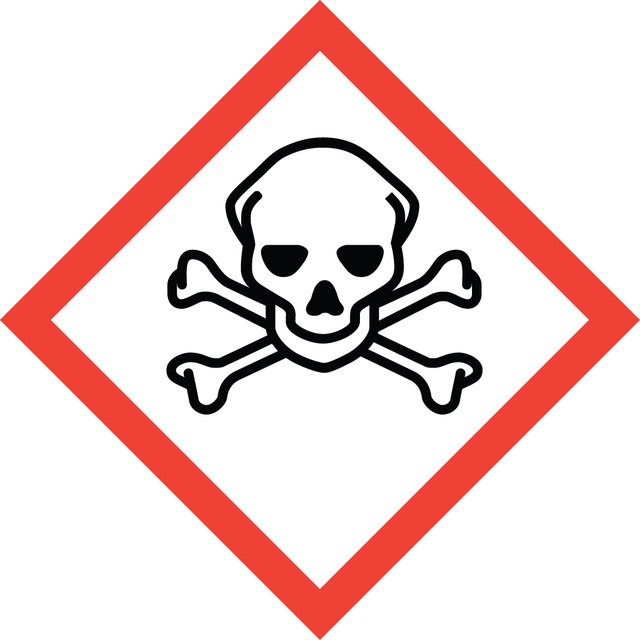
signalword
Danger
hcodes
pcodes
Hazard Classifications
Acute Tox. 3 Oral
Storage Class
6.1C - Combustible acute toxic Cat.3 / toxic compounds or compounds which causing chronic effects
wgk
WGK 3
flash_point_f
Not applicable
flash_point_c
Not applicable
ppe
dust mask type N95 (US), Eyeshields, Faceshields, Gloves
Choose from one of the most recent versions:
Already Own This Product?
Find documentation for the products that you have recently purchased in the Document Library.
R A Tokola et al.
Cephalalgia : an international journal of headache, 4(4), 253-263 (1984-12-01)
Tolfenamic acid is a fenamate which inhibits prostaglandin (PG) biosynthesis and may act as a PG antagonist as well. Caffeine and metoclopramide are used in combination with analgesics and ergotamine in the treatment of migraine attacks, but controlled clinical studies
Don Eslin et al.
Molecular carcinogenesis, 52(5), 377-386 (2012-01-04)
Current therapeutic options for recurrent neuroblastoma have poor outcomes that warrant the development of novel therapeutic strategies. Specificity protein (Sp) transcription factors regulate several genes involved in cell proliferation, survival, and angiogenesis. Sp1 regulates genes believed to be important determinants
Riyaz Basha et al.
Gynecologic oncology, 122(1), 163-170 (2011-04-19)
The aberrant expression of hepatocyte growth factor and its receptor c-Met are associated with aggressive disease and poor prognosis in a variety of human malignancies including ovarian cancer (OC). Specificity protein (Sp) transcription factors have high relevance in the signaling
Global Trade Item Number
| SKU | GTIN |
|---|---|
| T0535-5G | 04061837335341 |