
TOX7

In Vitro Toxicology Assay Kit, Lactic Dehydrogenase based
Synonym(s):
LDH cytotoxicity assay
Sign In to View Organizational & Contract Pricing.
Select a Size
Change View
About This Item
NACRES:
NA.84
UNSPSC Code:
12352207
form
liquid
Quality Level
usage
kit sufficient for 500 tests
packaging
pkg of 1 kit
storage condition
dry at room temperature
technique(s)
protein quantification: suitable
λmax
490 nm
application(s)
cell analysis
detection
detection method
colorimetric
storage temp.
−20°C
General description
Tox7 is a member of Sigma′s CytoToxicity Kit series. It is based on the measurement of lactate dehydrogenase (LDH) release from cells as a measure of cell membrane damage and cytotoxicity. This technique has been utilized as an alternative to 51Cr release for cell mediated cytotoxicity assays, as well as conventional cytotoxicity resulting from interaction of a test material with the cell.
Application
In Vitro Toxicology Assay Kit, Lactic Dehydrogenase based has been used:
- to detect lactate dehydrogenase release in human umbilical vein endothelial cells (HUVECs) and human cardiac myocytes (HCMs) for lactate dehydrogenase (LDH) assay
- to determine the activity of lactate dehydrogenase leakage of MDA-MB-231 cells
- to examine the activity of LDH in RAW 264.7 cells , in LDH cytotoxicity assay in human cell lines
- for spectrophotometric measurement of viable cells. Absorbance of converted dye is measured at a wavelength of 490 nm.
Biochem/physiol Actions
The lactate dehydrogenase assay is a means of measuring either the number of cells via total cytoplasmic lactate dehydrogenase (LDH) or membrane integrity as a function of the amount of cytoplasmic LDH released into the medium. This method is simple, accurate and yields reproducible results. The assay is based on the reduction of NAD by LDH. The resulting reduced NAD (NADH) is utilized in the stoichiometric conversion of a tetrazolium dye to a soluble, colored formazan derivative.
.
.
Storage Class
10 - Combustible liquids


signalword
Danger
wgk
WGK 2
hcodes
Hazard Classifications
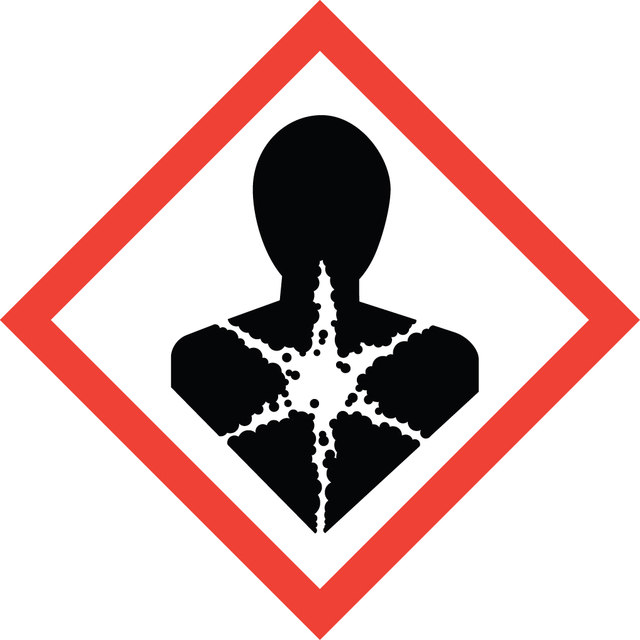
Aquatic Acute 1 - Aquatic Chronic 2 - Eye Dam. 1 - Resp. Sens. 1
Regulatory Information
常规特殊物品
This item has
Choose from one of the most recent versions:
Already Own This Product?
Find documentation for the products that you have recently purchased in the Document Library.
Articles
基于细胞的细胞增殖(BrdU、MTT、WST1)、细胞活力和细胞毒性实验,可应用于癌症、神经科学和干细胞研究。
用于维持高质量经验证的无污染细胞培养的质量控制指南。免费下载ECACC手册。
Cell based assays for cell proliferation (BrdU, MTT, WST1), cell viability and cytotoxicity experiments for applications in cancer, neuroscience and stem cell research.
Related Content
Effects of 5-fluorouracil on morphology, cell cycle, proliferation, apoptosis, autophagy and ROS production in endothelial cells and cardiomyocytes
Focaccetti C, et al.
Testing, 10, e0115686-e0115686 (2015)
C Legrand et al.
Journal of biotechnology, 25(3), 231-243 (1992-09-01)
One significant problem in monitoring a culture's evolution is to assess change in cell viability. We have demonstrated that LDH release could be a good indicator of cellular damage of many cell lines, especially during shear stress or sonication. Moreover
null
Global Trade Item Number
| SKU | GTIN |
|---|---|
| TOX7-1KT | 04061837397967 |