
Sign In to View Organizational & Contract Pricing.
Select a Size
Change View
About This Item
Empirical Formula (Hill Notation):
C6H5NO2
CAS Number:
Molecular Weight:
123.11
UNSPSC Code:
41116107
NACRES:
NA.24
PubChem Substance ID:
MDL number:
Beilstein/REAXYS Number:
109591
grade
pharmaceutical primary standard
API family
nicotinic acid
manufacturer/tradename
USP
technique(s)
HPLC: suitable
mp
236-239 °C (lit.)
solubility
ethanol: 12.5 g/L at 25 °C, water: soluble 180 g/L at 20 °C
density
1.473 g/cm3 at 25 °C
application(s)
pharmaceutical (small molecule)
format
neat
SMILES string
OC(=O)c1cccnc1
InChI
1S/C6H5NO2/c8-6(9)5-2-1-3-7-4-5/h1-4H,(H,8,9)
InChI key
PVNIIMVLHYAWGP-UHFFFAOYSA-N
General description
This product is provided as delivered and specified by the issuing Pharmacopoeia. All information provided in support of this product, including SDS and any product information leaflets have been developed and issued under the Authority of the issuing Pharmacopoeia.For further information and support please go to the website of the issuing Pharmacopoeia.
Application
Niacin USP reference standard, intended for use in specified quality tests and assays as specified in the USP compendia. Also, for use with USP monographs such as:
- Niacin Tablets
- Niacin Injection
- Niacin Extended-Release Tablets
- Inositol Niacinate
- Niacinamide
- Water-Soluble Vitamins Capsules
Analysis Note
These products are for test and assay use only. They are not meant for administration to humans or animals and cannot be used to diagnose, treat, or cure diseases of any kind.
Other Notes
Sales restrictions may apply.
Still not finding the right product?
Explore all of our products under Niacin
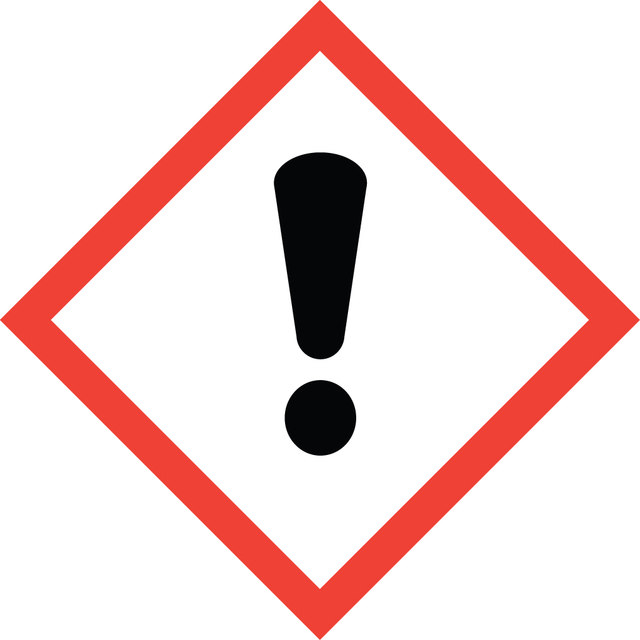
signalword
Warning
hcodes
Hazard Classifications
Eye Irrit. 2
Storage Class
11 - Combustible Solids
flash_point_f
379.4 °F - closed cup
flash_point_c
193 °C - closed cup
Choose from one of the most recent versions:
Already Own This Product?
Find documentation for the products that you have recently purchased in the Document Library.
Vaijinath S Kamanna et al.
Current opinion in lipidology, 24(3), 239-245 (2013-04-27)
This review focuses on the current understanding of the physiological mechanisms of action of niacin on lipid metabolism and atherosclerosis. Emerging findings indicate that niacin decreases hepatic triglyceride synthesis and subsequent VLDL/LDL secretion by directly and noncompetitively inhibiting hepatocyte diacylglycerol
Janet E Digby et al.
Current opinion in lipidology, 20(4), 321-326 (2009-06-06)
Nicotinic acid is the most potent treatment clinically available for lowering LDL cholesterol and VLDL cholesterol and raising HDL cholesterol. The strong inverse relationship between coronary heart disease risk and HDL cholesterol at all levels of LDL cholesterol has, therefore
James B Kirkland
Mutation research, 733(1-2), 14-20 (2011-12-06)
Through its involvement in over 400 NAD(P)-dependent reactions, niacin status has the potential to influence every area of metabolism. Niacin deficiency has been linked to genomic instability largely through impaired function of the poly ADP-ribose polymerase (PARP) family of enzymes.
Global Trade Item Number
| SKU | GTIN |
|---|---|
| 1461003-200MG | 04061838736598 |