
V900304

Dodecyltrimethylammonium bromide
Vetec™, reagent grade, 98%
Synonym(s):
Lauryltrimethylammonium bromide
Sign In to View Organizational & Contract Pricing.
Select a Size
Change View
About This Item
Linear Formula:
CH3(CH2)11N(CH3)3Br
CAS Number:
Molecular Weight:
308.34
EC Number:
214-290-3
UNSPSC Code:
12161900
PubChem Substance ID:
Beilstein/REAXYS Number:
3597463
MDL number:
grade
reagent grade
product line
Vetec™
assay
98%
mol wt
308.34 g/mol
mp
246 °C (dec.) (lit.)
application(s)
microbiology
SMILES string
[Br-].CCCCCCCCCCCC[N+](C)(C)C
InChI
1S/C15H34N.BrH/c1-5-6-7-8-9-10-11-12-13-14-15-16(2,3)4;/h5-15H2,1-4H3;1H/q+1;/p-1
InChI key
XJWSAJYUBXQQDR-UHFFFAOYSA-M
Application
- Long-Term Thermal Stability of Ionic Surfactants for Improving Oil Production at High-Salinity High-Temperature Conditions.: This study evaluates the effectiveness of Dodecyltrimethylammonium bromide and similar surfactants under extreme conditions, aiming to enhance oil recovery processes, demonstrating the surfactant′s robustness and applicability in the petroleum industry (Hou et al., 2024).
- Kinetic and adsorption isotherm studies of Malachite Green dye onto surfactant-tailored alginate hydrogel beads: An influence of surfactant hydrophobicity.: This research explores the interaction between hydrophobic surfactants like Dodecyltrimethylammonium bromide and dye molecules, offering insights into environmental cleanup techniques through enhanced adsorption processes (Malik et al., 2024).
- Role of Alkyl Chain Length in Surfactant-Induced Precipitation of Reactive Brilliant Blue KN-R.: Investigates how variations in surfactant chain length affect dye precipitation, with Dodecyltrimethylammonium bromide serving as a key component in understanding surfactant behavior in industrial dyeing processes (Liu et al., 2024).
- Additive-anchored thermoresponsive nanoscale self-assembly generation in normal and reverse Tetronics.: Examines the role of additives like Dodecyltrimethylammonium bromide in creating responsive self-assembling materials, which are critical for developing smart materials and nanotechnology applications (Patel et al., 2024).
- Observation of Electrostatically Driven Surface Adsorption in Mixed Surfactant Systems.: This paper details the effects of mixed surfactant systems, including Dodecyltrimethylammonium bromide, on surface adsorption phenomena, crucial for advancements in coatings and surface treatment technologies (Vilangottunjalil et al., 2024).
Legal Information
Vetec is a trademark of Merck KGaA, Darmstadt, Germany
Still not finding the right product?
Explore all of our products under Dodecyltrimethylammonium bromide

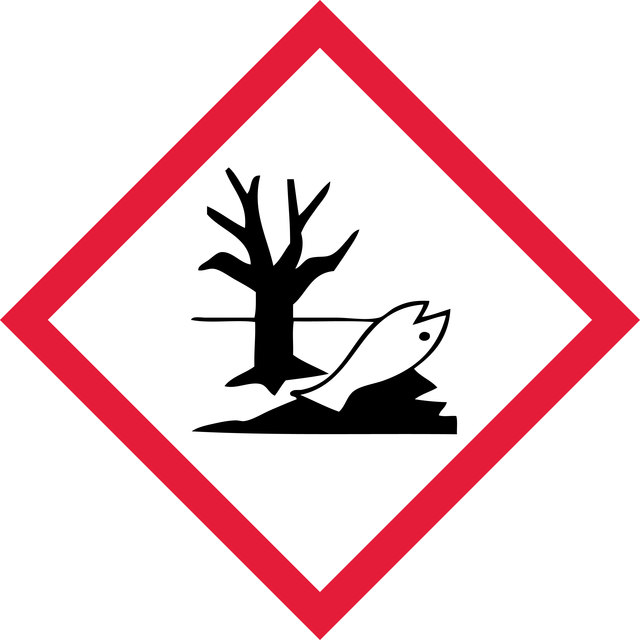
signalword
Danger
hcodes
Hazard Classifications
Acute Tox. 3 Oral - Aquatic Acute 1 - Aquatic Chronic 1 - Eye Irrit. 2 - Skin Irrit. 2
Storage Class
6.1C - Combustible acute toxic Cat.3 / toxic compounds or compounds which causing chronic effects
wgk
WGK 3
flash_point_f
Not applicable
flash_point_c
Not applicable
Choose from one of the most recent versions:
Already Own This Product?
Find documentation for the products that you have recently purchased in the Document Library.
Jonas Carlstedt et al.
Physical chemistry chemical physics : PCCP, 14(27), 9574-9577 (2012-06-14)
Polyelectrolytes with amphiphilic counterions, PEACs, are water insoluble because the amphiphiles self-assemble into highly charged micelles that strongly associate with the equally highly charged polyions. However, in the presence of water soluble cyclodextrins (CDs) that form inclusion complexes with the
Marcos A Villetti et al.
The journal of physical chemistry. B, 115(19), 5868-5876 (2011-04-27)
Interactions between uncharged polymers and cationic surfactants are considered weaker than interactions with the anionic analogues. This work describes the binding occurring between methylcellulose (MC) and the cationic surfactant DTAB in aqueous medium. In the absence of salt, MC-DTAB exhibits
Adhimoorthy Prasannan et al.
Langmuir : the ACS journal of surfaces and colloids, 27(2), 766-773 (2010-12-16)
A novel synthesis of "hairy urchin"-shaped polyaniline (PAni) and its surface coverage with nanospikes was achieved from a simple microemulsion polymerization technique in the presence of β-cyclodextrin (β-CD). The rodlike micelle phase was characterized, and the key factors affecting the
Global Trade Item Number
| SKU | GTIN |
|---|---|
| V900304-25G | 04061833438336 |
| V900304-100G | 04061833469415 |