
P4682

Phenol solution
Saturated with 0.01 M citrate buffer, pH 4.3 ± 0.2, BioReagent, Molecular Biology
Synonym(s):
nucleic acid extraction
Sign In to View Organizational & Contract Pricing.
Select a Size
Change View
About This Item
Empirical Formula (Hill Notation):
C6H6O
CAS Number:
Molecular Weight:
94.11
UNSPSC Code:
12352104
NACRES:
NA.52
PubChem Substance ID:
MDL number:
Beilstein/REAXYS Number:
6428463
Grade:
Molecular Biology
Technique(s):
RNA purification: suitable
grade
Molecular Biology
Quality Level
product line
BioReagent
form
liquid
technique(s)
RNA purification: suitable
pH
4.1-4.5 (25 °C)
storage temp.
2-8°C
SMILES string
Oc1ccccc1
InChI
1S/C6H6O/c7-6-4-2-1-3-5-6/h1-5,7H
InChI key
ISWSIDIOOBJBQZ-UHFFFAOYSA-N
Gene Information
human ... GABRA1(2554)
General description
Phenol solution is a clear liquid saturated with citrate buffer. Phenols are organic compounds that feature a hydroxyl group directly bonded to an aromatic carbocyclic ring. The common name for monohydroxybenzene is phenol.
Application
Phenol solution has been used:
- for the extraction of RNA by standard phenol-chloroform protocols
- in cell wall monosaccharide analysis to treat epidermal strips from the abaxial side of Commelina communisin leaves
- as a component of lysis-denaturation buffer for RNA isolation
Biochem/physiol Actions
Phenol solution can be used for a wide variety of molecular biology applications, including nucleic acid extractions using standard phenol-chloroform protocols. This organic solvent also serves as a potential protein denaturant. Phenol-chloroform extraction is a broadly used method for the extraction of nucleic acids. Despite phenol′s incomplete inhibition of RNase activity, it possesses characteristics that make it useful for isolating nucleic acids when combined with chloroform and alcohol.
Still not finding the right product?
Explore all of our products under Phenol solution
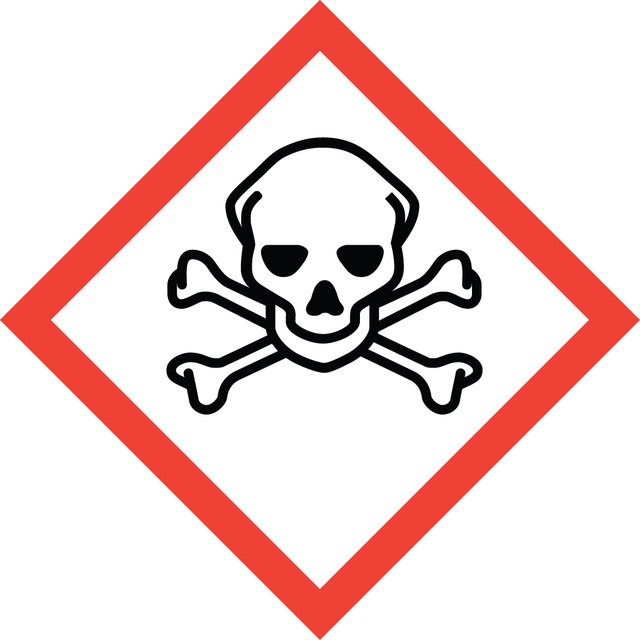
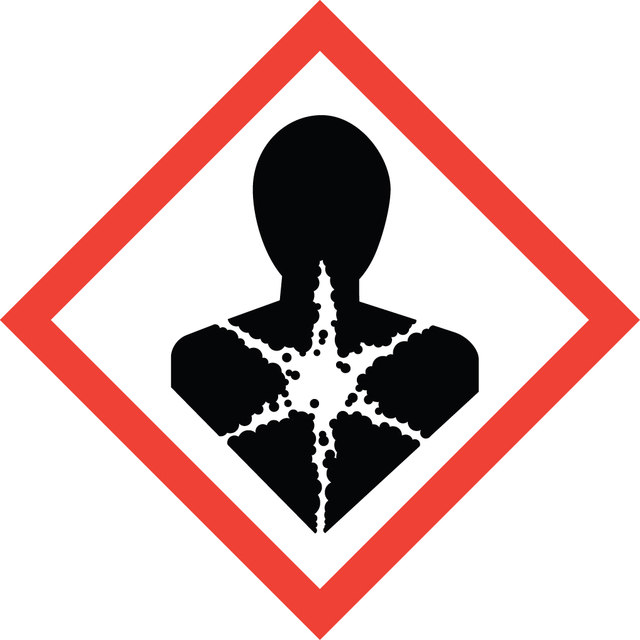
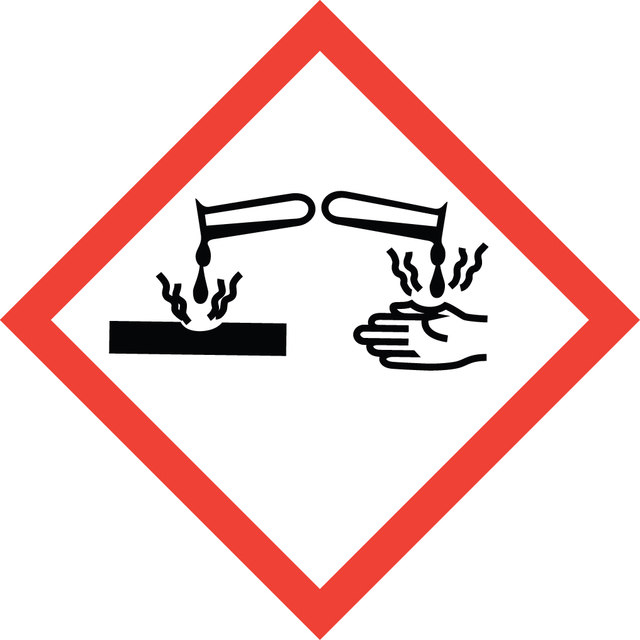
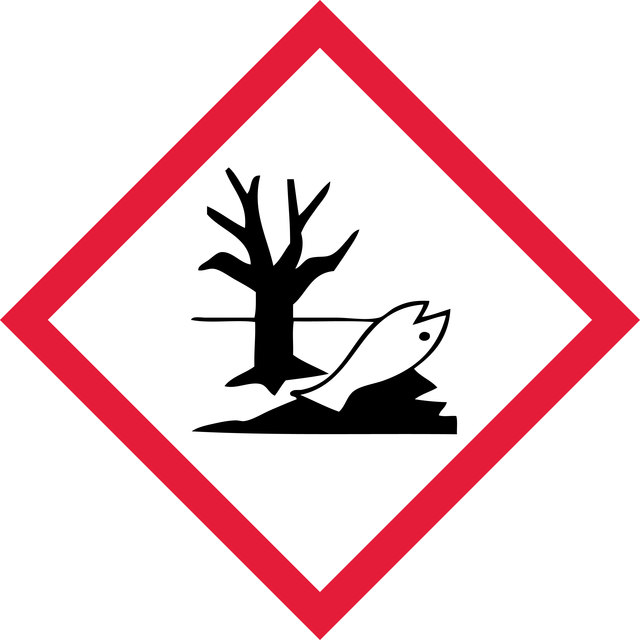
signalword
Danger
Hazard Classifications
Acute Tox. 3 Dermal - Acute Tox. 3 Inhalation - Acute Tox. 3 Oral - Aquatic Chronic 2 - Eye Dam. 1 - Muta. 2 - Skin Corr. 1B - STOT RE 2
target_organs
Nervous system,Kidney,Liver,Skin
Storage Class
6.1A - Combustible acute toxic Cat. 1 and 2 / very toxic hazardous materials
wgk
WGK 2
flash_point_f
Not applicable
flash_point_c
Not applicable
Regulatory Information
危险化学品
This item has
Choose from one of the most recent versions:
Already Own This Product?
Find documentation for the products that you have recently purchased in the Document Library.
Sagit Shalel-Levanon et al.
Biotechnology and bioengineering, 92(2), 147-159 (2005-07-01)
Escherichia coli has several elaborate sensing mechanisms for response to the availability of oxygen and the presence of other electron acceptors. The adaptive responses are coordinated by a group of global regulators, which include the one-component Fnr protein, and the
Jie Gao et al.
Proceedings of the National Academy of Sciences of the United States of America, 116(33), 16454-16462 (2019-07-04)
The programmed release of apoptogenic proteins from mitochondria is a core event of apoptosis, although ancestral roles of this phenomenon are not known. In mammals, one such apoptogenic protein is Endonuclease G (EndoG), a conserved mitochondrial nuclease that fragments the
Louise Jones et al.
Proceedings of the National Academy of Sciences of the United States of America, 100(20), 11783-11788 (2003-09-18)
Stomatal guard cells play a key role in the ability of plants to survive on dry land, because their movements regulate the exchange of gases and water vapor between the external environment and the interior of the plant. The walls
Global Trade Item Number
| SKU | GTIN |
|---|---|
| P4682-100ML | 04061837898815 |
| P4682-400ML | 04061837898839 |