
usage
0.75 mL sufficient for 0.25 mL fluid samples
General description
TRI Reagent LS is a quick and convenient reagent for use in the simultaneous isolation of RNA, DNA, and protein from liquid samples of human, animal, plant, yeast, bacterial, and viral origin.
A convenient single-step liquid phase separation results in the simultaneous isolation of RNA, DNA, and protein. This procedure is an adaptation of the singlestep method reported by Chomczynski and Sacchi for total RNA isolation, and permits fast and efficient processing of liquid samples. TRI Reagent LS performs well with large or small sample volumes, and many samples can be simultaneously extracted.
TRI Reagent LS is a mixture of guanidine thiocyanate and phenol in a monophase solution. When a biological sample is homogenized or lysed with it, and chloroform or 1-bromo-3-chloropropane is added, the mixture separates into 3 phases: an aqueous phase containing RNA, the interphase containing DNA, and an organic phase containing proteins. Each component can then be isolated after separating the phases. 0.75 ml of TRI Reagent LS processes 0.25 ml of a liquid sample such as amniotic fluid.
This is one of the most effective methods for isolating total RNA from fresh samples in only one hour. The procedure is very effective for isolating RNA molecules of all types from 0.1-15 kb in length. The resulting RNA is intact with little or no contaminating DNA and protein.
A convenient single-step liquid phase separation results in the simultaneous isolation of RNA, DNA, and protein. This procedure is an adaptation of the singlestep method reported by Chomczynski and Sacchi for total RNA isolation, and permits fast and efficient processing of liquid samples. TRI Reagent LS performs well with large or small sample volumes, and many samples can be simultaneously extracted.
TRI Reagent LS is a mixture of guanidine thiocyanate and phenol in a monophase solution. When a biological sample is homogenized or lysed with it, and chloroform or 1-bromo-3-chloropropane is added, the mixture separates into 3 phases: an aqueous phase containing RNA, the interphase containing DNA, and an organic phase containing proteins. Each component can then be isolated after separating the phases. 0.75 ml of TRI Reagent LS processes 0.25 ml of a liquid sample such as amniotic fluid.
This is one of the most effective methods for isolating total RNA from fresh samples in only one hour. The procedure is very effective for isolating RNA molecules of all types from 0.1-15 kb in length. The resulting RNA is intact with little or no contaminating DNA and protein.
Application
The reagent has been used for isolating total RNA. The resulting RNA can be used for Northern blots, mRNA isolation, in vitro translation, RNase protection assay, cloning, and PCR.
TRI Reagent® has been used in RNA extraction.
TRI Reagent is an improved version of the single-step total RNA isolation reagent developed by Chomczynski. The RNA isolation method based on this reagent is widely used and proven for RNA applications. It is ideal for quick, economical, and efficient isolation of total RNA or the simultaneous isolation of RNA, DNA, and proteins from samples of human, animal, plant, yeast, bacterial, and viral origin.
Features and Benefits
- Easily scalable RNA isolation
- Works with many sources: human, plant, yeast, bacterial, or viral
- Better yields than traditional guanidine thiocyanate/cesium chloride methods
Legal Information
TRI Reagent is a registered trademark of Molecular Research Center, Inc.
Still not finding the right product?
Explore all of our products under TRI Reagent®
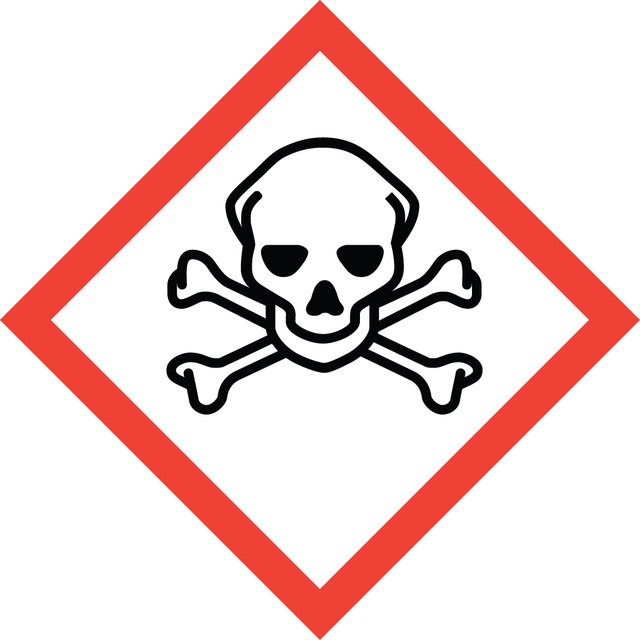
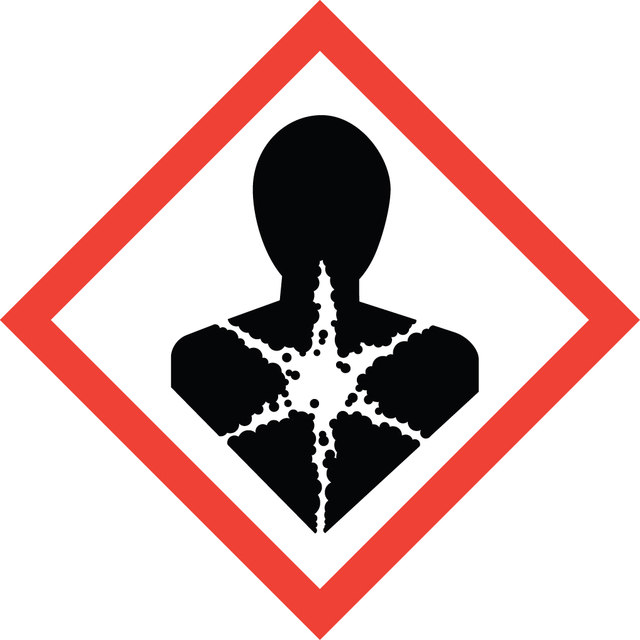

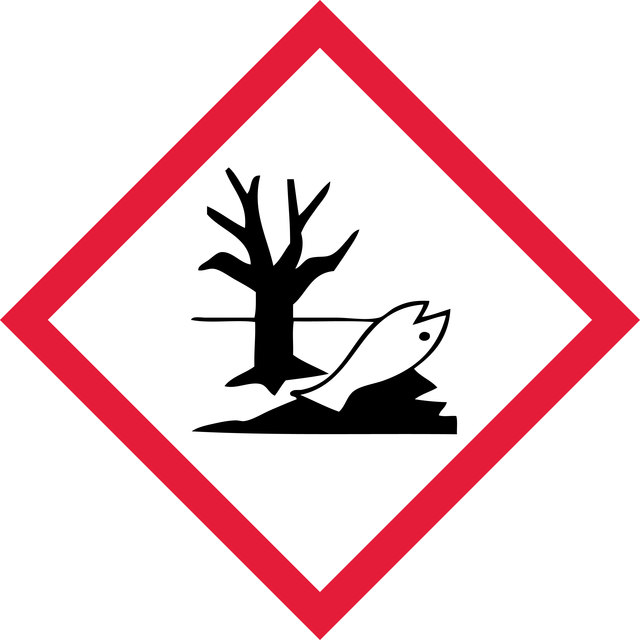
signalword
Danger
Hazard Classifications
Acute Tox. 3 Dermal - Acute Tox. 3 Inhalation - Acute Tox. 3 Oral - Aquatic Chronic 2 - Eye Dam. 1 - Muta. 2 - Skin Corr. 1B - STOT RE 2
target_organs
Nervous system,Kidney,Liver,Skin
supp_hazards
Storage Class
6.1A - Combustible acute toxic Cat. 1 and 2 / very toxic hazardous materials
wgk
WGK 3
flash_point_f
174.2 °F - closed cup
flash_point_c
79 °C - closed cup
Choose from one of the most recent versions:
Already Own This Product?
Find documentation for the products that you have recently purchased in the Document Library.
Articles
简单的DNA和RNA纯法方法大幅推动了基因组和基因表达的分析和鉴定。人们需要快速、方便地从多种细胞来源分离DNA和RNA,包括哺乳动物、植物和细菌培养物来源的细胞和组织。
Simple DNA/RNA purification methods aid genome analysis from various sources, enhancing research efficiency.
TGF beta Presence During IgE-dependent Sensitization Primes Mast Cells for Higher VEGF Production After Fc varepsilon RI Activation
Benitez-GJP, et al.
Open Allergy Journal, 2, 16-26 (2009)
TGF Presence During IgE-dependent Sensitization Primes Mast Cells for Higher VEGF Production After Fc RI Activation
Garrido
Open Allergy Journal (2009)
Cyclic dinucleotides modulate induced type I IFN responses in innate immune cells by degradation of STING
Rueckert C, et al.
Faseb Journal (2017)
Global Trade Item Number
| SKU | GTIN |
|---|---|
| T3934-100ML | 04061837694523 |
| T3934-200ML | 04061837694530 |