
T6884

Thrombin from human plasma
lyophilized powder, ≥2,000 NIH units/mg protein (E1%/280, 18.3)
Synonym(s):
Factor IIa
Sign In to View Organizational & Contract Pricing.
Select a Size
Change View
About This Item
CAS Number:
UNSPSC Code:
12352204
NACRES:
NA.54
EC Number:
232-648-7
MDL number:
Specific activity:
≥2,000 NIH units/mg protein (E1%/280, 18.3)
Biological source:
human plasma
General description
Thrombin is produced from the proteolytic cleavage of inactive prothrombin in the liver. It is a glycoprotein with four structural domains: the 10 γ-carboxylated glutamic acid containing Gal domain, two kringle domains, and the trypsin-like serine protease domain. The prothrombin gene is mapped to human chromosome 11p11.2.
Thrombin is the final coagulation protease in regard to hemostasis, promoting both procoagulant and anticoagulant effects.
Application
Thrombin from human plasma has been used:
- in the preparation of fibrin gels for assessing human bone marrow stromal cells (hBMSC) morphology,
- in the activation of platelets,
- to evaluate the integrity of endothelial cell (EC) monolayers
Thrombin is used for site specific cleavage of recombinant fusion proteins containing an accessible thrombin recognition site for removal of affinity tags.
Biochem/physiol Actions
The main function of thrombin is the cleavage of fibrinogen to fibrin, to assist stable clot formation. A wide range of mutations in the prothrombin gene contributes to its deficiency resulting in coagulation disorders like dysprothrombinemia and hypoprothrombinemia. High levels of thrombin elicit neurotoxicity in dopaminergic neurons and contributes to the progression of Parkinson′s disease. Altered thrombin levels modulates the coagulation pathway in multiple sclerosis. Patients with coronary artery disease (CAD) show elevated levels of thrombin. Thrombin accumulation in neurofibrillary tangles of the brain may contribute to the aggregation of tau protein and pathophysiology of Alzheimer disease.
Serine protease that selectively cleaves Arg-Gly bonds in fibrinogen to form fibrin and fibrinopeptides A and B.
Thrombin is used for site specific cleavage of recombinant fusion proteins containing an accessible thrombin recognition site for removal of affinity tags. Thrombin has been used in a study to investigate the protein C pathway in intestinal barrier function.
Physical form
Lyophilized from saline sodium citrate buffer, pH 6.5
Analysis Note
The NIH assay procedure uses 0.2 ml diluted plasma (1:1 with saline) as a substrate and 0.1ml of thrombin sample (stabilized in a 1% buffered albumin solution) based on a modification of the method of Biggs. Only clotting times in the range of 15-25 seconds are used for determining thrombin concentrations.
Other Notes
Activity is expressed in NIH units obtained by direct comparison to a NIH Thrombin Reference Standard
View more information on thrombin at www.sigma-aldrich.com/enzymeexplorer.
Disclaimer
RESEARCH USE ONLY. This product is regulated in France when intended to be used for scientific purposes, including for import and export activities (Article L 1211-1 paragraph 2 of the Public Health Code). The purchaser (i.e. enduser) is required to obtain an import authorization from the France Ministry of Research referred in the Article L1245-5-1 II. of Public Health Code. By ordering this product, you are confirming that you have obtained the proper import authorization.
Still not finding the right product?
Explore all of our products under Thrombin from human plasma
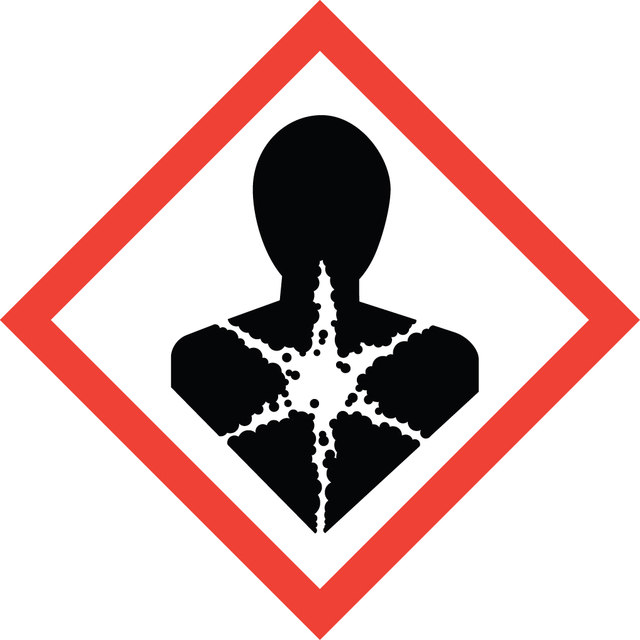

signalword
Danger
hcodes
Hazard Classifications
Eye Irrit. 2 - Resp. Sens. 1 - Skin Irrit. 2 - STOT SE 3
target_organs
Respiratory system
Storage Class
13 - Non Combustible Solids
flash_point_f
Not applicable
flash_point_c
Not applicable
Regulatory Information
高风险级别生物产品--人源产品
This item has
Choose from one of the most recent versions:
Already Own This Product?
Find documentation for the products that you have recently purchased in the Document Library.
Articles
凝血酶因子IIa是一种内切丝氨酸蛋白酶,可选择性地裂解纤维蛋白原的Arg -Gly键,形成纤维蛋白并释放纤维蛋白肽A和B。
Thrombin Factor IIa is an endolytic serine protease that selectively cleaves the Arg--Gly bonds of fibrinogen to form fibrin and release fibrinopeptides A and B.
Silvia D'Alessio et al.
Annals of the New York Academy of Sciences, 1258, 78-85 (2012-06-27)
The protein C (PC) pathway is a well-characterized anticoagulant system. Produced mainly by the liver as a zymogen, PC is activated on the vascular endothelial cell surface by thrombin-thrombomodulin complex. Once activated, PC inactivates two important cofactors of the coagulation
Effect of the scaffold microenvironment on cell polarizability and capacitance determined by probabilistic computations
Betancourt BA, et al.
Bio-medical materials and engineering, 13(2), 025012-025012 (2018)
Thrombin a-chain: activation remnant or allosteric effector?
Carter ISR, et al.
Thrombosis, 2010 (2010)
Global Trade Item Number
| SKU | GTIN |
|---|---|
| T6884-1KU | 04061837372087 |
| T6884-5KU | 04061837372100 |
| T6884-100UN | 04061835501205 |
| T6884-250UN | 04061837372094 |