
T7009

Thrombin from human plasma
lyophilized powder, ≥1,000 NIH units/mg protein (E1%/280, 18.3)
Synonym(s):
Factor IIa
Sign In to View Organizational & Contract Pricing.
Select a Size
Change View
About This Item
CAS Number:
UNSPSC Code:
12352204
NACRES:
NA.54
EC Number:
232-648-7
MDL number:
Specific activity:
≥1,000 NIH units/mg protein (E1%/280, 18.3)
General description
The F2 gene encodes thrombin protein and is mapped to human chromosome 11p11.2.
Application
Thrombin from human plasma has been:
- dissolved in CaCl2 and added to poly ethylene glycolated fibrinogen/cell solution for fibrin production
- to polymerize fibrin on well plates
- used as an endogenous agonist proteinase for proteinase-activated receptors : PAR1, PAR3 and PAR4 for stimulation of cells
Biochem/physiol Actions
Thrombin is an endolytic serine protease which stimulates vascular damage induced-leukocytes, platelets, endothelial and mesenchymal cell production. This action is mediated via G-protein-coupled receptor. It catalysis the cleavage of fibrinogen at Arg−Gly bonds to form fibrin and release fibrinopeptides A and B. The predominant form of thrombin in vivo is the zymogen prothrombin (factor II), which is produced in the liver. Prothrombin is a coagulation activation factor, high levels of which indicates cancer. Thrombin can be used to cleave fusion proteins. Cleavage of fusion proteins can be carried out at a thrombin:fusion protein ratio of 1:500.
Serine protease that selectively cleaves Arg-Gly bonds in fibrinogen to form fibrin and fibrinopeptides A and B.
Physical form
Lyophilized from saline sodium citrate buffer, pH 6.5
Analysis Note
The NIH assay procedure uses 0.2 ml diluted plasma (1:1 with saline) as a substrate and 0.1ml of thrombin sample (stabilized in a 1% buffered albumin solution) based on a modification of the method of Biggs. Only clotting times in the range of 15-25 seconds are used for determining thrombin concentrations.
Other Notes
Activity is expressed in NIH units obtained by direct comparison to a NIH Thrombin Reference Standard
View more information on thrombin at www.sigma-aldrich.com/enzymeexplorer.
Disclaimer
RESEARCH USE ONLY. This product is regulated in France when intended to be used for scientific purposes, including for import and export activities (Article L 1211-1 paragraph 2 of the Public Health Code). The purchaser (i.e. enduser) is required to obtain an import authorization from the France Ministry of Research referred in the Article L1245-5-1 II. of Public Health Code. By ordering this product, you are confirming that you have obtained the proper import authorization.
Still not finding the right product?
Explore all of our products under Thrombin from human plasma
signalword
Danger
Storage Class
10 - Combustible liquids
flash_point_f
Not applicable
flash_point_c
Not applicable
target_organs
Respiratory system
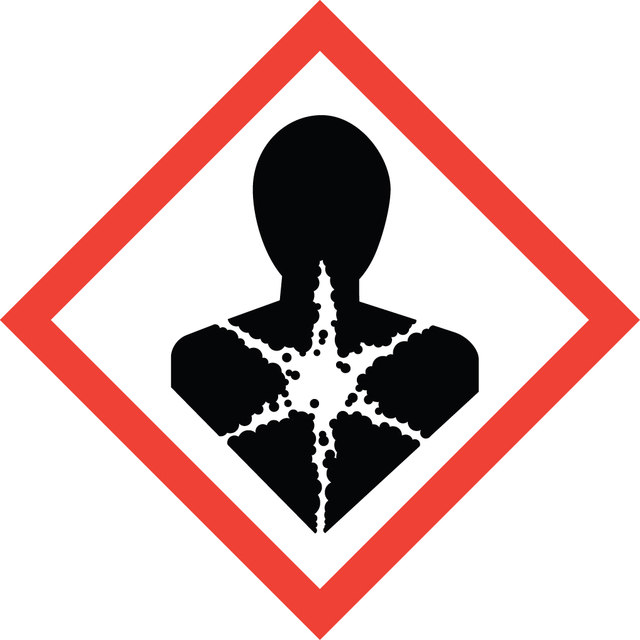

hcodes
Hazard Classifications
Eye Irrit. 2 - Resp. Sens. 1 - Skin Irrit. 2 - STOT SE 3
Regulatory Information
高风险级别生物产品--人源产品
This item has
Choose from one of the most recent versions:
Already Own This Product?
Find documentation for the products that you have recently purchased in the Document Library.
Articles
凝血酶因子IIa是一种内切丝氨酸蛋白酶,可选择性地裂解纤维蛋白原的Arg -Gly键,形成纤维蛋白并释放纤维蛋白肽A和B。
Thrombin Factor IIa is an endolytic serine protease that selectively cleaves the Arg--Gly bonds of fibrinogen to form fibrin and release fibrinopeptides A and B.
Integrin alphavbetabgr3-RGDS interaction mediates fibrin-induced morphological changes of glomerular endothelial cells
Xu Q, et al.
Kidney International, 56(4), 1413-1422 (1999)
Protease-activated receptor 3 is a second thrombin receptor in humans
Ishihara H, et al.
Nature, 386(6624), 502-502 (1997)
Capillary-like network formation by human amniotic fluid-derived stem cells within fibrin/poly (ethylene glycol) hydrogels
Benavides OM, et al.
Tissue Engineering: Part A, 21(7-8), 1185-1194 (2015)
Global Trade Item Number
| SKU | GTIN |
|---|---|
| T7009-250UN | 04061837372216 |
| T7009-100UN | 04061837372193 |
| T7009-1KU | 04061837372209 |
| T7009-5KU | 04061837372230 |