
T8885

Thrombin from human plasma
lyophilized powder, Suitable for routine use in the thrombin time test
Synonym(s):
Factor IIa
Sign In to View Organizational & Contract Pricing.
Select a Size
Change View
About This Item
CAS Number:
UNSPSC Code:
12352204
NACRES:
NA.54
EC Number:
232-648-7
MDL number:
Biological source:
human plasma
General description
Thrombin is the final coagulation protease in regard to hemostasis, promoting both procoagulant and anticoagulant effects.
Application
Thrombin is used for site specific cleavage of recombinant fusion proteins containing an accessible thrombin recognition site for removal of affinity tags. Thrombin has been used in a study that compared efficacy and safety of low-molecular-weight heparins (LMWHs) to other anticoagulants as venous thromboembolism prophylaxis in major orthopedic surgery.
Biochem/physiol Actions
Serine protease that selectively cleaves Arg-Gly bonds in fibrinogen to form fibrin and fibrinopeptides A and B.
Preparation Note
When reconstituted with 1 ml H2O, one vial will contain 10 mg bovine serum albumin, 0.15 M NaCl and 0.05 M sodium citrate, pH 6.5
Analysis Note
The NIH assay procedure uses 0.2 ml diluted plasma (1:1 with saline) as a substrate and 0.1ml of thrombin sample (stabilized in a 1% buffered albumin solution) based on a modification of the method of Biggs. Only clotting times in the range of 15-25 seconds are used for determining thrombin concentrations.
Other Notes
View more information on thrombin at www.sigma-aldrich.com/enzymeexplorer.
Activity is expressed in NIH units obtained by direct comparison to a NIH Thrombin Reference Standard
Disclaimer
RESEARCH USE ONLY. This product is regulated in France when intended to be used for scientific purposes, including for import and export activities (Article L 1211-1 paragraph 2 of the Public Health Code). The purchaser (i.e. enduser) is required to obtain an import authorization from the France Ministry of Research referred in the Article L1245-5-1 II. of Public Health Code. By ordering this product, you are confirming that you have obtained the proper import authorization.
Still not finding the right product?
Explore all of our products under Thrombin from human plasma
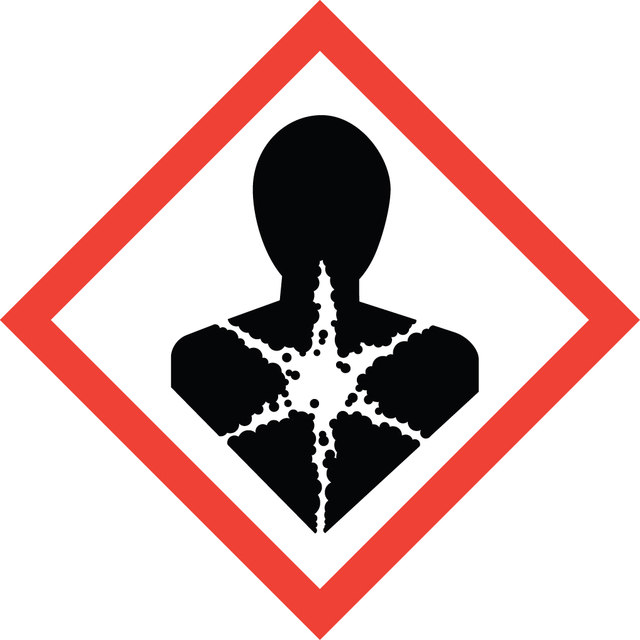

signalword
Danger
hcodes
Hazard Classifications
Eye Irrit. 2 - Resp. Sens. 1 - Skin Irrit. 2 - STOT SE 3
target_organs
Respiratory system
Storage Class
11 - Combustible Solids
wgk
WGK 2
flash_point_f
Not applicable
flash_point_c
Not applicable
Regulatory Information
高风险级别生物产品--人源产品
This item has
Choose from one of the most recent versions:
Already Own This Product?
Find documentation for the products that you have recently purchased in the Document Library.
Related Content
Maria Scuotto et al.
Nucleic acids research, 43(16), 7702-7716 (2015-08-08)
Many antiproliferative G-quadruplexes (G4s) arise from the folding of GT-rich strands. Among these, the Thrombin Binding Aptamer (TBA), as a rare example, adopts a monomolecular well-defined G4 structure. Nevertheless, the potential anticancer properties of TBA are severely hampered by its
Diana M Sobieraj et al.
Pharmacotherapy, 32(9), 799-808 (2012-06-30)
To evaluate the comparative efficacy and safety of low-molecular-weight heparins (LMWHs) versus other anticoagulants as venous thromboembolism prophylaxis in major orthopedic surgery. Systematic review with meta-analysis of 37 randomized controlled trials. Patients undergoing total hip replacement, total knee replacement, or
Michael Ablinger et al.
International journal of molecular sciences, 22(7) (2021-04-04)
Intermediate junctional epidermolysis bullosa caused by mutations in the COL17A1 gene is characterized by the frequent development of blisters and erosions on the skin and mucous membranes. The rarity of the disease and the heterogeneity of the underlying mutations renders
Global Trade Item Number
| SKU | GTIN |
|---|---|
| T8885-10VL | 04061837379765 |
| T8885-25VL | 04061837379772 |